
Interactive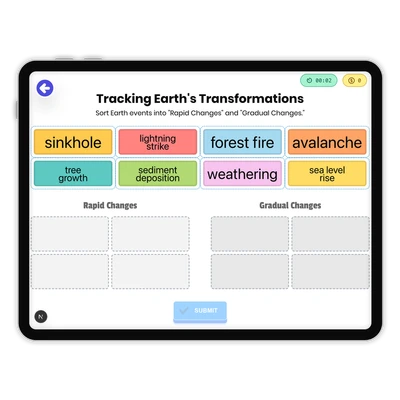

Grades 1–5
Tracking Earth's Transformations
Game
$1.50

Explore Earth's History curriculum resources for grades K-5, including worksheets, activities, reading passages, and games. This hub covers geologic time, fossils and dinosaurs, and mass extinctions, with materials that progress from foundational concepts to deeper analysis across grade levels.
Game
Game
Game
Reading Passage
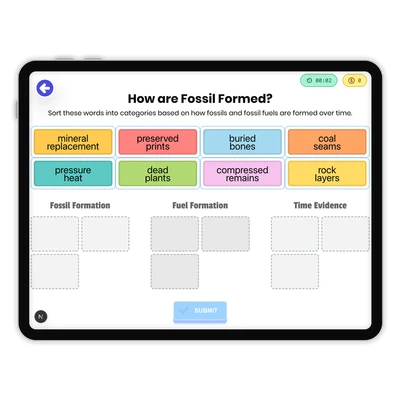
Game
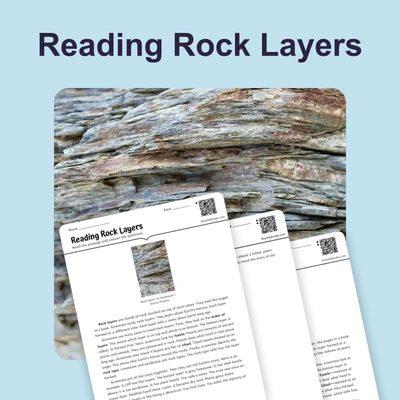
Reading Passage
40% off until Aug 1
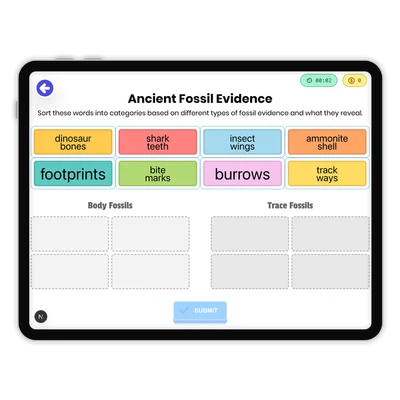
Game
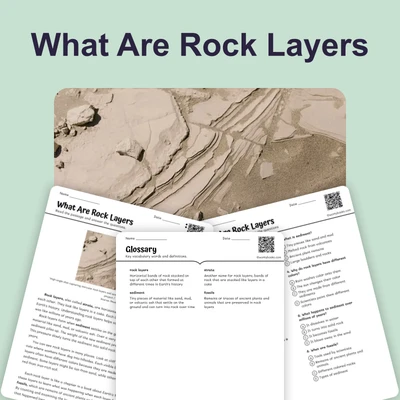
Reading Passage
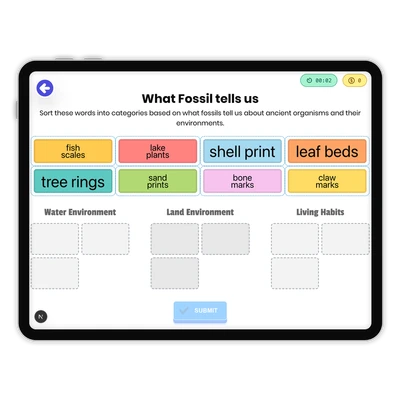
Game
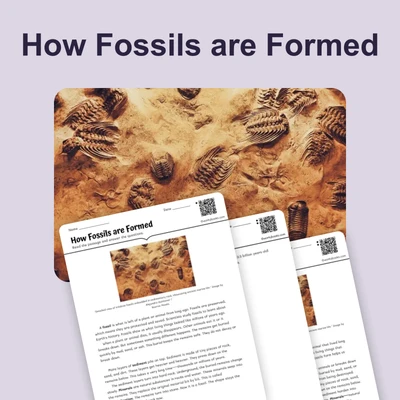
Reading Passage
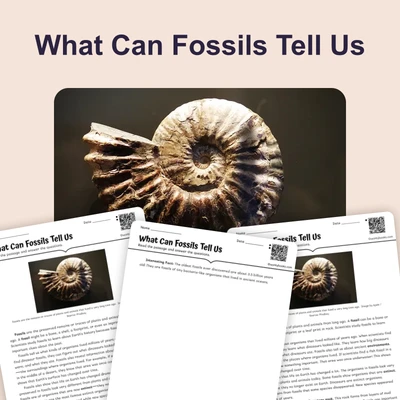
Reading Passage
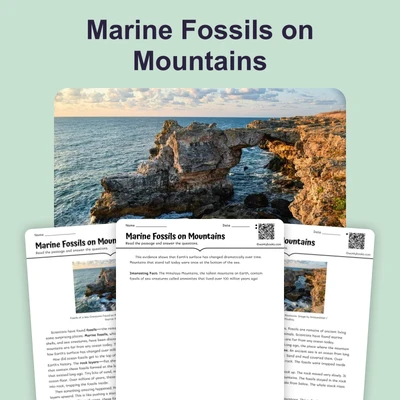
Reading Passage
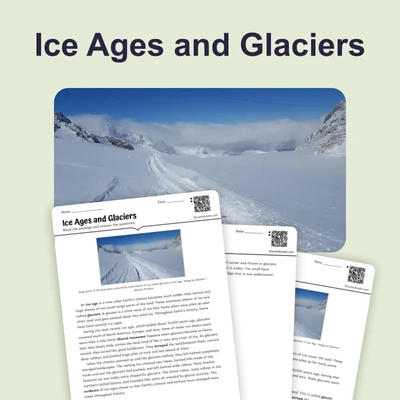
Reading Passage
40% off until Aug 1
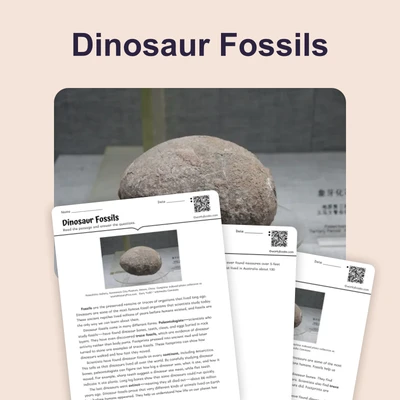
Reading Passage
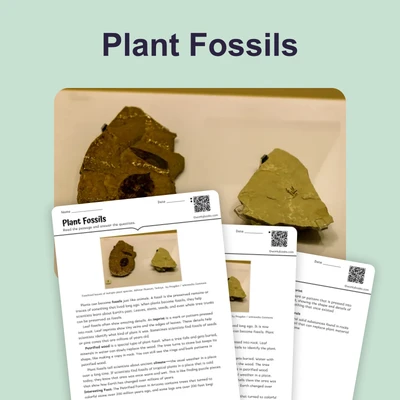
Reading Passage · NGSS 4-ESS1-1
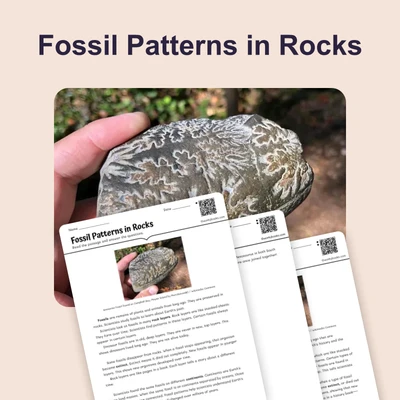
Reading Passage · NGSS 4-ESS1-1
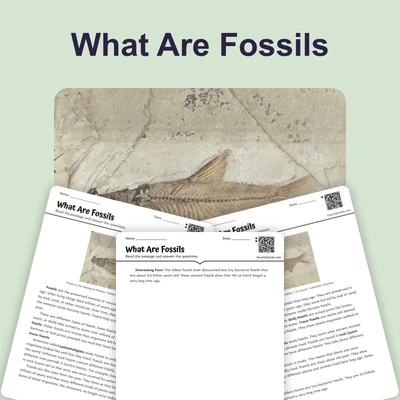
Reading Passage · NGSS 4-ESS1-1
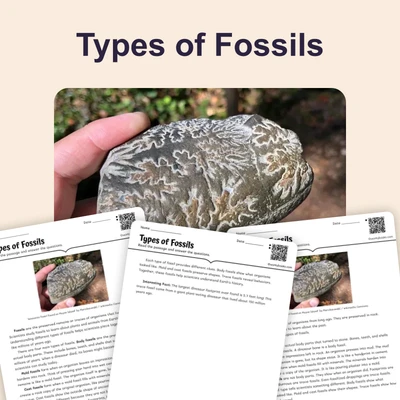
Reading Passage · NGSS 4-ESS1-1
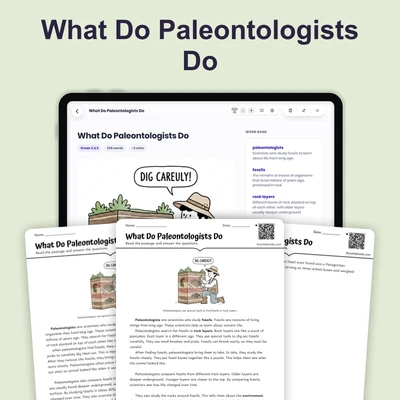
Reading Passage · NGSS 4-ESS1-1
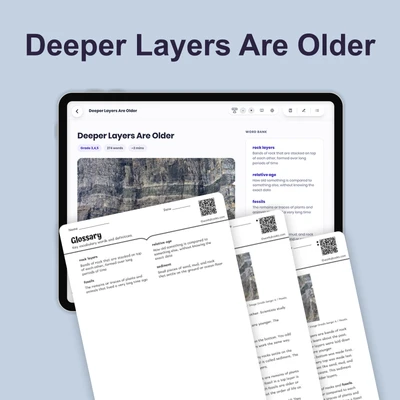
Reading Passage · NGSS 4-ESS1-1
40% off until Aug 1
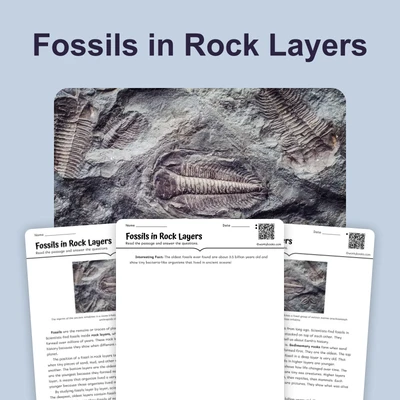
Reading Passage · NGSS 4-ESS1-1
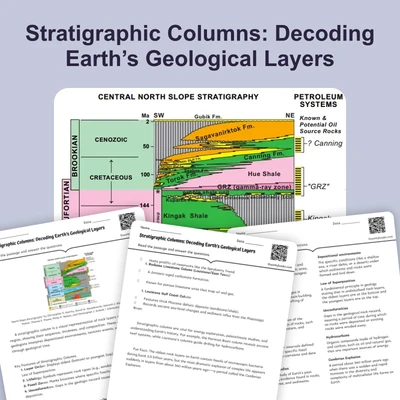
Reading Passage · MS-ESS2-2
Worksheet · MS-ESS1-4
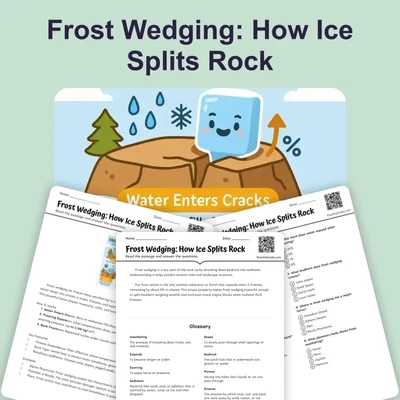
Reading Passage · MS-ESS2-1
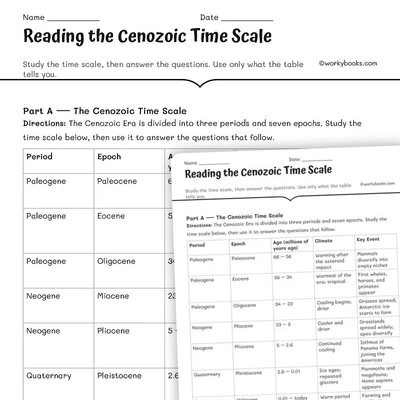
Worksheet · NGSS MS-ESS1-4
Reading Passage · MS-ESS3-2
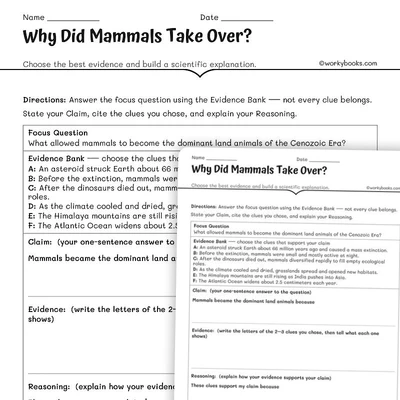
Worksheet · NGSS MS-LS4-1 (SUPPORTING); CCSS.ELA-LITERACY.RH.6-8.1; C3 D2.HIS.16.6-8 (SUPPORTING)
40% off until Aug 1
Reading Passage · MS-ESS2-3
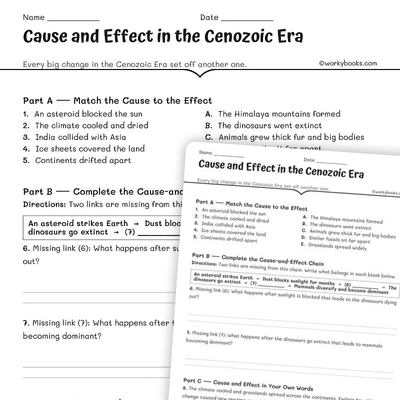
Worksheet · NGSS MS-LS4-1
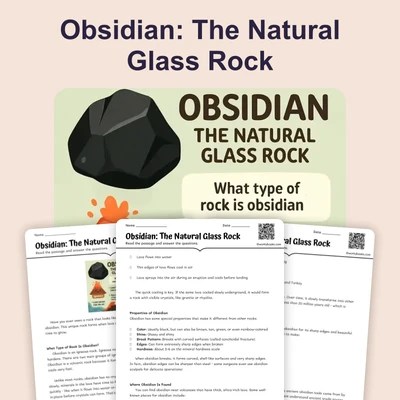
Reading Passage · MS-ESS2-3
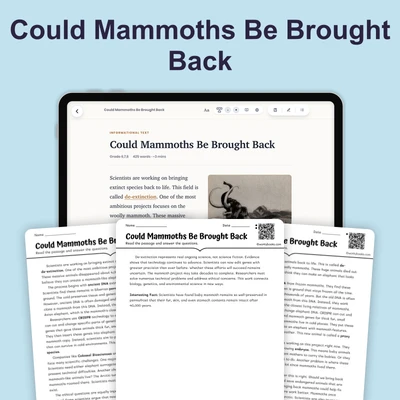
Reading Passage · MS-ESS1-4
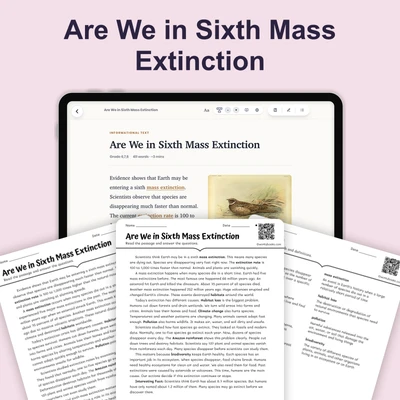
Reading Passage · MS-ESS1-4
Reading Passage · MS-ESS1-4
Reading Passage · MS-ESS1-4
40% off until Aug 1
Reading Passage · MS-ESS1-4
Reading Passage · MS-ESS1-4
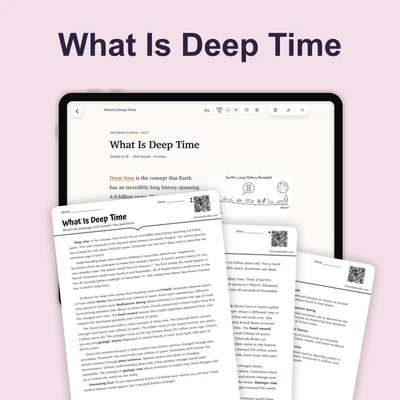
Reading Passage · MS-ESS1-4
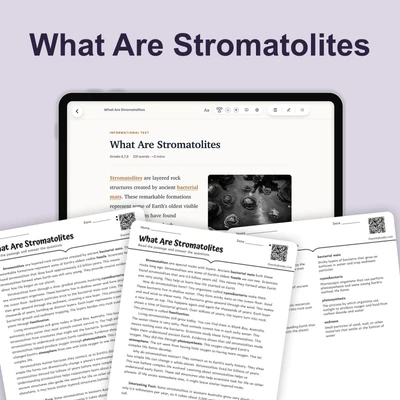
Reading Passage · MS-ESS1-4
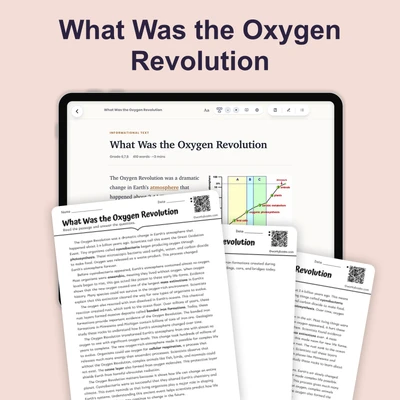
Reading Passage · MS-ESS1-4
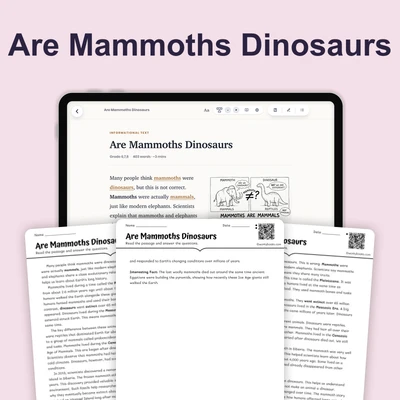
Reading Passage · MS-ESS1-4
Reading Passage · MS-ESS1-4
40% off until Aug 1
Reading Passage · MS-ESS1-4
Reading Passage · MS-ESS1-4
Reading Passage · MS-ESS1-4
Reading Passage · MS-ESS1-4
Reading Passage · MS-ESS2-2
Three ways to use Workybooks — pick what fits.
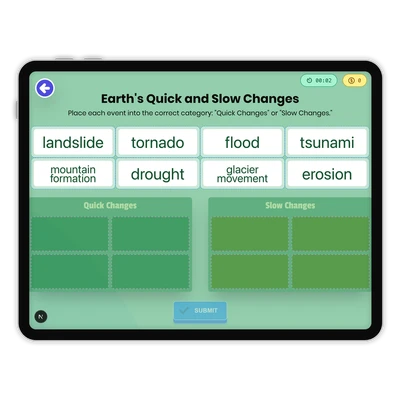
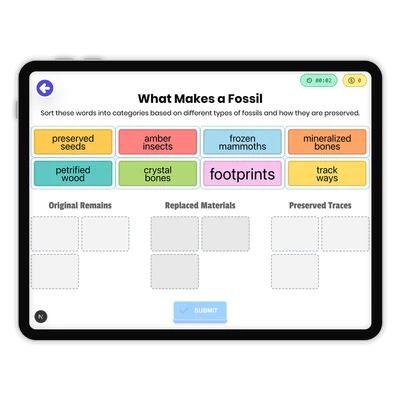
In the earliest grades, students explore Earth's history by distinguishing rapid changes like volcanic eruptions from slow processes such as erosion, using simple sorting activities and visual aids. As they progress, they delve into fossil formation, learning how organisms become preserved through original remains, replaced materials, or trace fossils. By upper elementary, students analyze stratigraphic columns, interpret geological layers, and examine evidence of mass extinctions, building critical thinking about Earth's dynamic systems.
Related concepts include rock cycles, plate tectonics, and paleontology, which connect to the core subtopics of geologic time, fossils and dinosaurs, and mass extinctions. Resources are scaffolded to support differentiation: younger students classify events by speed, while older students evaluate fossil types and construct timelines. This progression ensures that students develop a coherent understanding of how Earth has changed over millions of years, preparing them for more advanced earth science studies.
Teachers can use this hub to select resources that match their students' readiness levels. For whole-group instruction, choose a grade-appropriate reading passage or interactive game to introduce a topic. In small groups or centers, assign differentiated word sorts or graphic organizers that target specific subtopics like fossil types or geological layers. Printable worksheets work well for independent practice, homework, or intervention, while digital activities are ideal for literacy centers or review. Use the scaffolded resources to support struggling learners and challenge advanced students, ensuring all students build a solid foundation in Earth's history.
These resources align with Common Core standards for reading informational text and writing, as well as Next Generation Science Standards (NGSS) for Earth science across grades K-5. Specific grade-level expectations are addressed through activities that build skills in classification, analysis, and evidence-based reasoning.
Yes, many of our Earth's History worksheets are printable and designed for classroom use. Some resources are free, while others require a paid Workybooks membership. You can print them for hands-on activities, centers, or homework.
Yes, these Earth's History worksheets for kids span grades K-5, with content that progresses from basic concepts like slow vs. fast changes to advanced topics like stratigraphy and mass extinctions. Teachers can select resources that match their students' grade level and needs.
Yes, we offer a variety of resources on fossils and dinosaurs, including activities on how fossils are formed, types of fossils (body and trace), and evidence from the fossil record. These are available as worksheets, reading passages, and interactive games.
Absolutely. The resources are scaffolded to support different learning levels. For example, younger students can sort events by speed, while older students analyze fossil evidence. Use the printable and digital options to tailor instruction for whole group, small groups, centers, or independent practice.