
Passage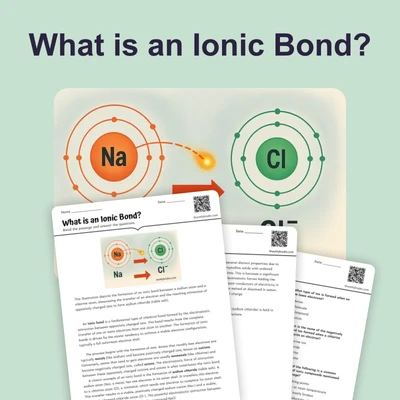
Grades 3–8
What is an Ionic Bond?
Reading Passage
$1.50

Explore our collection of States of Matter curriculum resources for grades K-8. From solids, liquids, and gases to phase changes, these worksheets, activities, reading passages, and games help students build understanding across elementary and middle school. Perfect for teachers and parents seeking flexible, standards-aligned materials.
Reading Passage
Reading Passage
Reading Passage
Reading Passage
Reading Passage
Reading Passage
40% off until Aug 1
Reading Passage
Reading Passage
Reading Passage
Reading Passage
Reading Passage
Reading Passage
Reading Passage
40% off until Aug 1
Reading Passage

Reading Passage · 4-ESS2-1
Reading Passage · 5-PS1-3
Reading Passage · MS-PS1-1
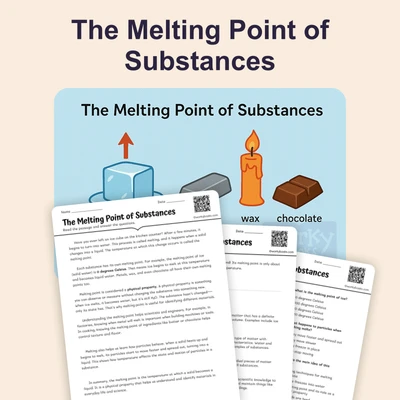
Reading Passage · 5-PS1
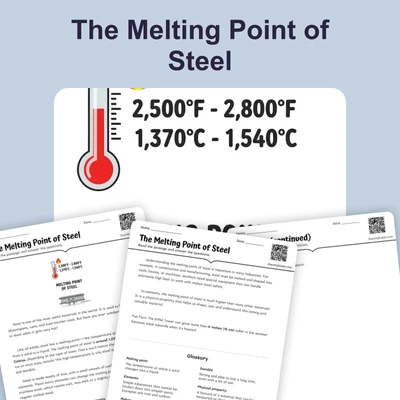
Reading Passage · 5-PS1
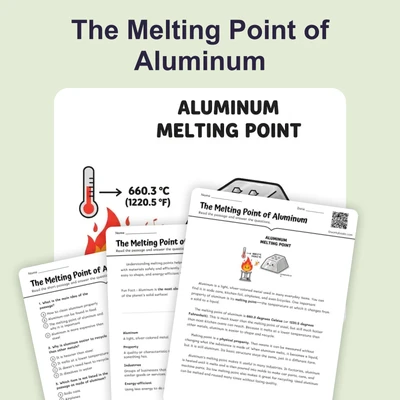
Reading Passage · 5-PS1
40% off until Aug 1
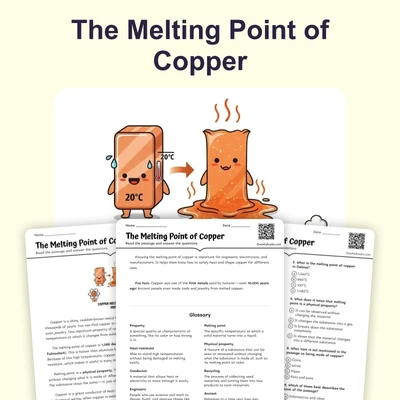
Reading Passage · 5-PS1
Reading Passage · 5-PS1
Reading Passage · MS-PS3-4
Reading Passage · MS-PS3-4
Reading Passage · MS-PS1-4
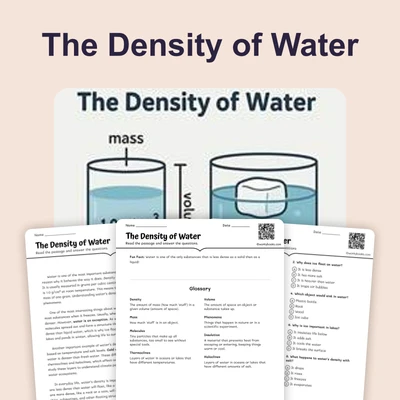
Reading Passage · MS-PS1-2
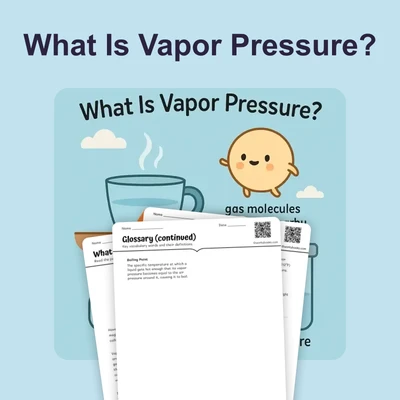
Reading Passage · MS-PS1-4
40% off until Aug 1
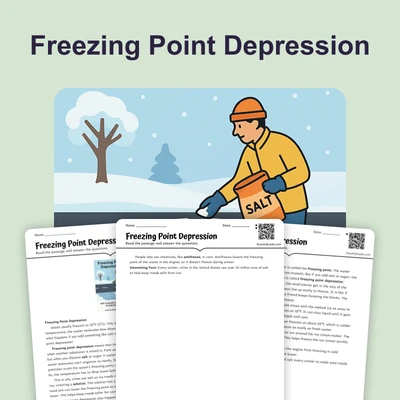
Reading Passage · 5-PS1
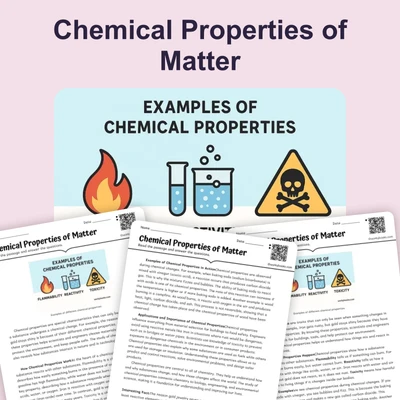
Reading Passage · MS-PS1-2
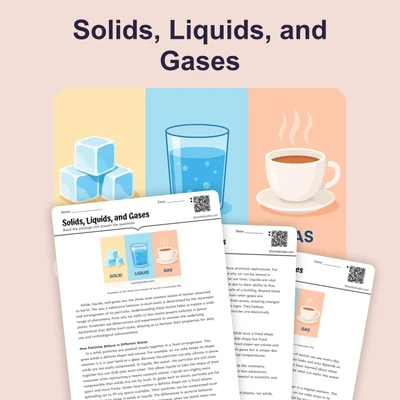
Reading Passage · MS-PS1-4
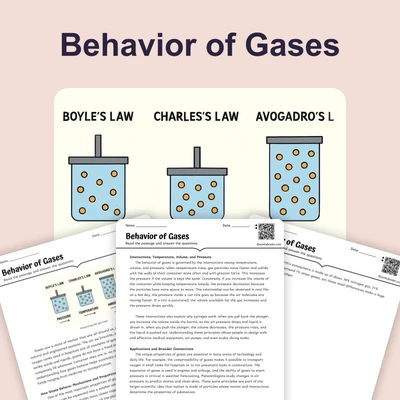
Reading Passage · MS-PS1-4
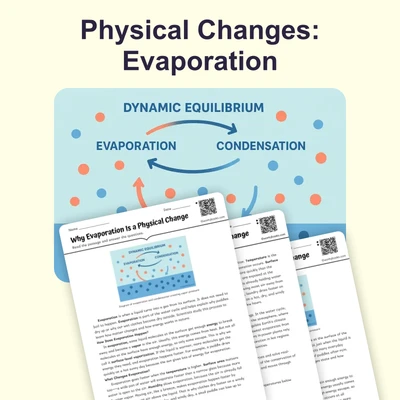
Reading Passage · MS-PS1-4
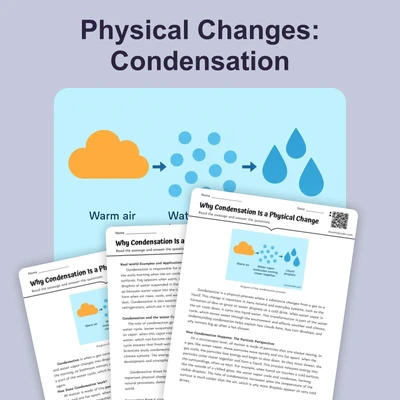
Reading Passage · MS-PS1-4
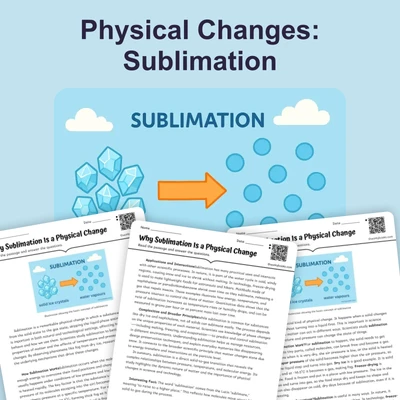
Reading Passage · MS-PS1-4
40% off until Aug 1
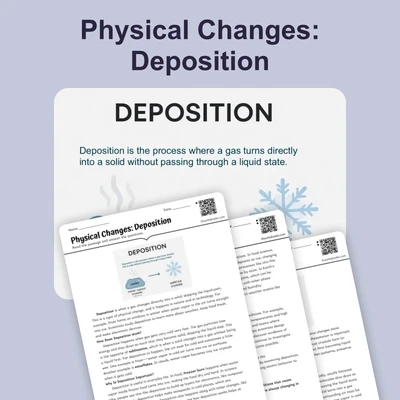
Reading Passage · MS-PS1-4
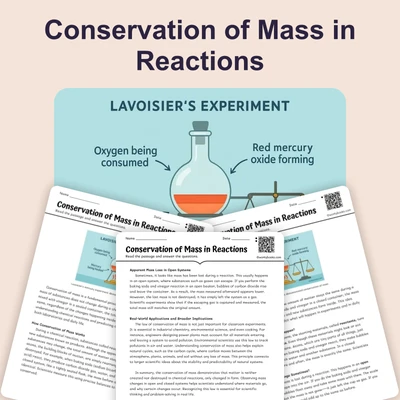
Reading Passage · MS-PS1-5
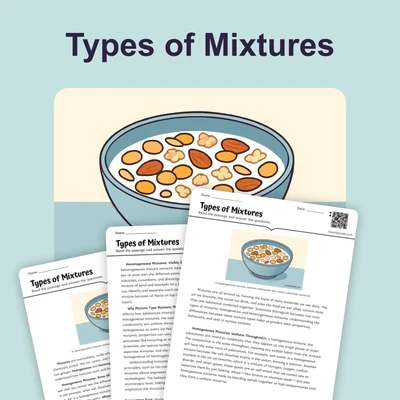
Reading Passage · MS-PS1-1
Reading Passage · MS-PS1-4
Reading Passage · MS-PS1-1
Reading Passage · MS-PS1-2
Reading Passage · MS-PS1-1
40% off until Aug 1
Reading Passage · MS-PS1-1
Reading Passage · MS-PS1-1
Reading Passage · MS-PS1-1
Reading Passage · MS-PS1-1
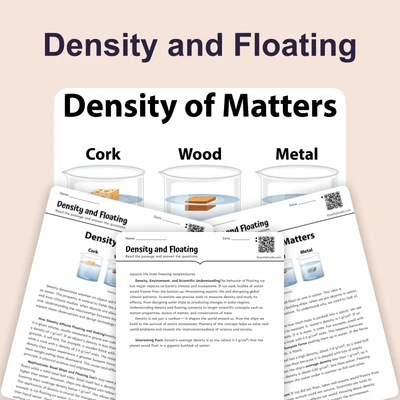
Reading Passage · MS-PS1-2
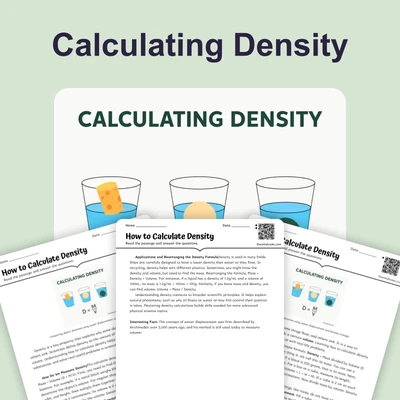
Reading Passage · MS-PS1-1
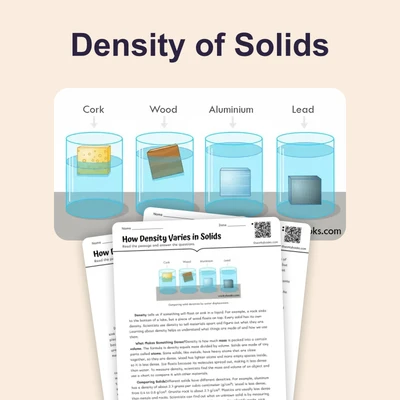
Reading Passage · MS-PS1-1
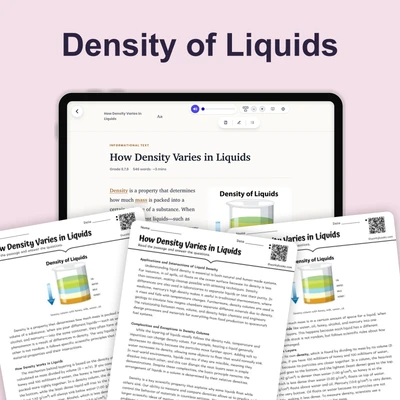
Reading Passage · MS-PS1-1
Reading Passage · MS-PS1-1
Three ways to use Workybooks — pick what fits.
States of Matter is a foundational science topic that evolves significantly from kindergarten through eighth grade. In early grades, students learn to identify and classify solids, liquids, and gases based on observable properties. As they progress, they explore how matter changes state through melting, freezing, evaporation, condensation, and sublimation, and they begin to understand particle behavior and energy transfer. By upper elementary and middle school, students investigate density, buoyancy, and the conservation of mass during phase changes.
Our resources cover this entire progression, including related concepts like the water cycle, mixtures and solutions, and thermal energy. Students practice vocabulary, observation, data collection, and scientific reasoning through hands-on activities, reading comprehension passages, graphic organizers, and interactive games. These teacher-authored materials are scaffolded to support differentiation, with some resources offering multiple versions for varied skill levels.
Teachers can use this hub to find the right level for any class or student. For whole-group instruction, select grade-appropriate reading passages or anchor charts. In small groups or centers, use sorting activities, task cards, or card games to reinforce concepts. For independent practice or homework, choose printable worksheets or digital assignments. Intervention and review are supported with scaffolded graphic organizers and vocabulary matching. Use the hands-on experiments and observation sheets for assessment or enrichment. With both printable and digital options, you can easily differentiate across a mixed-ability room by assigning different versions of the same activity.
These resources align with grade-level Common Core State Standards for literacy in science and technical subjects, as well as Next Generation Science Standards (NGSS) related to matter and its interactions. Specific standards vary by grade but generally cover properties of matter, phase changes, and the water cycle.
Yes, many of our States of Matter worksheets are printable and ready to use in your classroom. Some resources are free, while others require a paid Workybooks membership. You can also access digital versions for online learning.
Absolutely. Our collection spans grades K-8, with content tailored to each developmental level. Younger students focus on basic classification, while older students explore particle theory and phase changes. You can filter by grade to find the right fit.
In addition to worksheets, this hub includes reading passages, hands-on activities, graphic organizers, interactive games, and assessment tools. These resources support various learning styles and instructional settings.
Our resources are scaffolded, with many offering multiple difficulty levels. You can assign simpler versions for struggling learners and more complex tasks for advanced students. Use the same topic across different resource types to meet varied needs.