
Interactive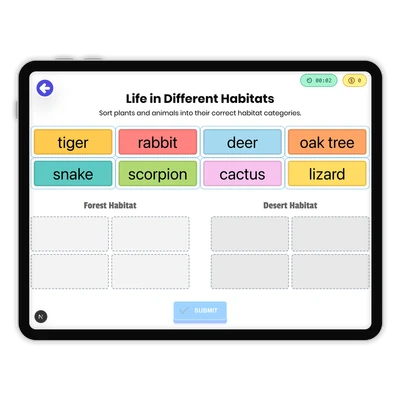

Grades 1–5
Life in Different Habitats
Game
$1.50

Explore our Ecosystems curriculum resources hub for grades K-5, featuring worksheets, activities, reading passages, games, and graphic organizers. These no-prep, standards-aligned materials help students understand habitats, food chains, interdependence, biodiversity, and human impact across a range of grade levels.
Game
Game
Game
Game
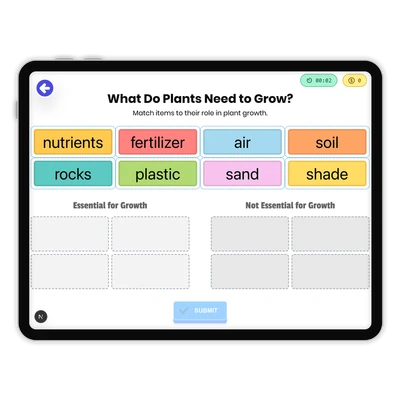
Game
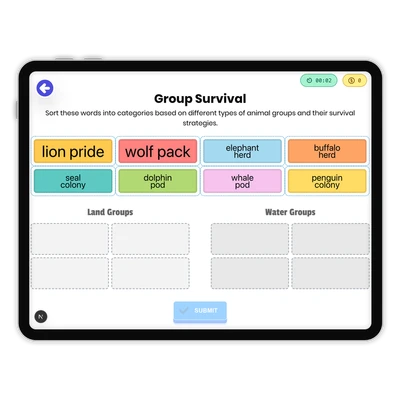
Game
40% off until Aug 1
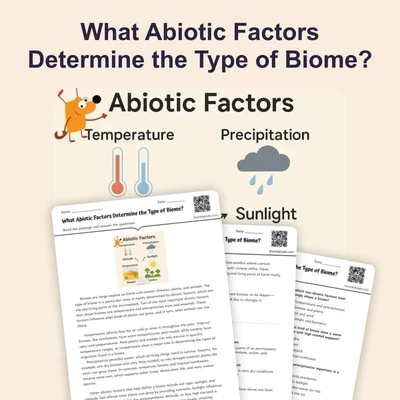
Reading Passage · MS-LS1-5
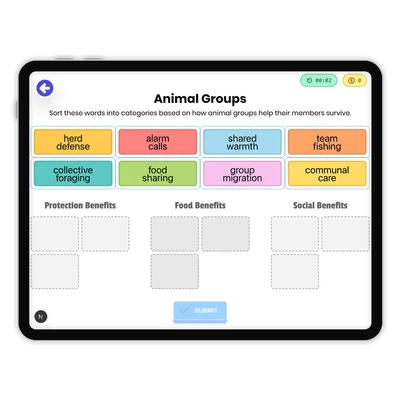
Game
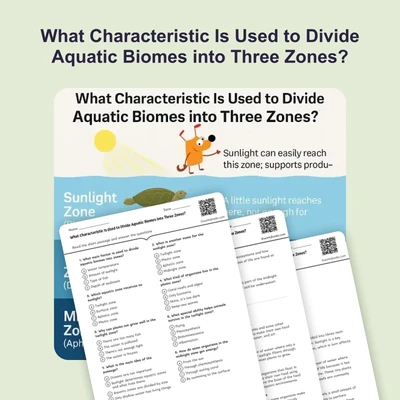
Reading Passage · MS-LS1-3
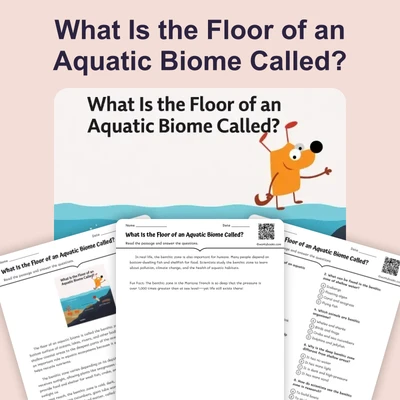
Reading Passage · MS-LS1-4
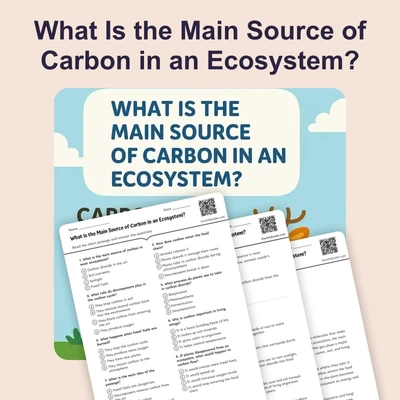
Reading Passage · MS-LS2-3
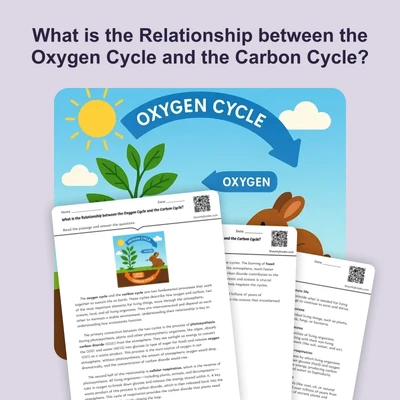
Reading Passage
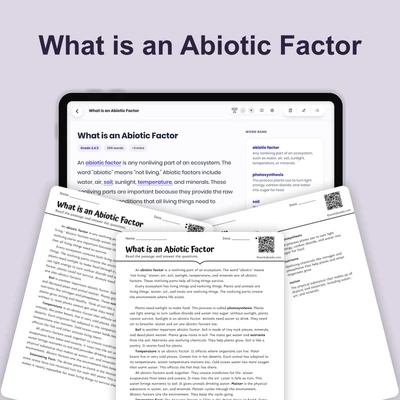
Reading Passage
40% off until Aug 1
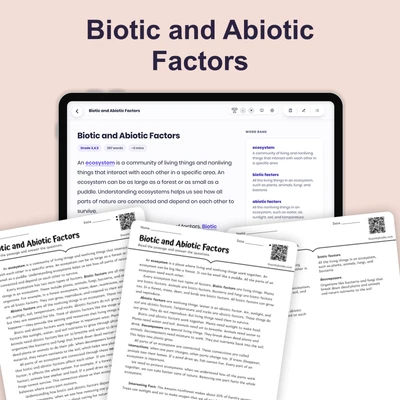
Reading Passage
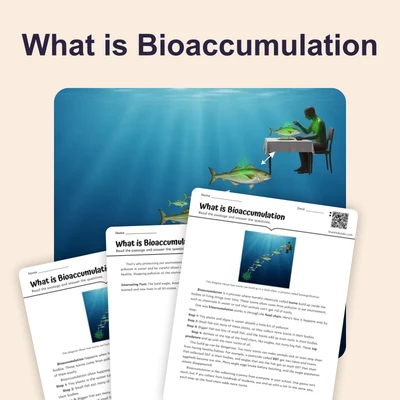
Reading Passage
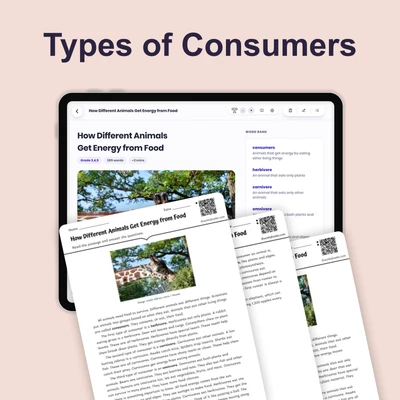
Reading Passage · 5-LS1-1
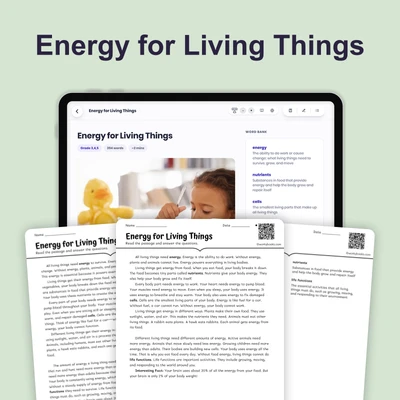
Reading Passage · 5-LS1-1
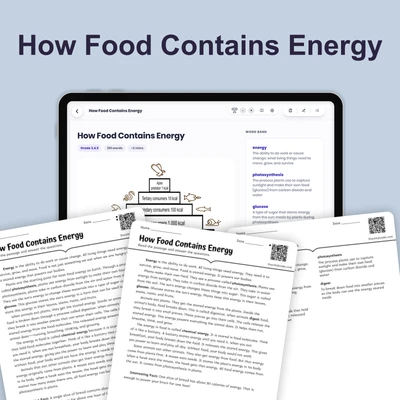
Reading Passage · 5-LS1-1
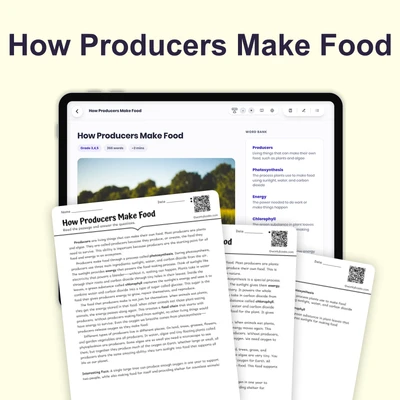
Reading Passage · 5-LS1-1
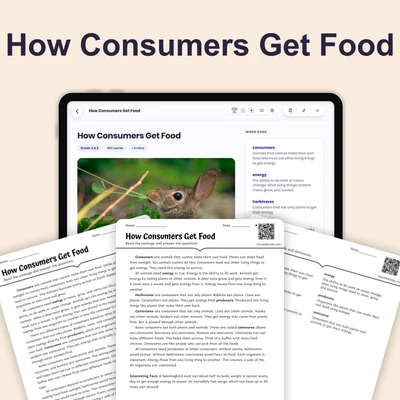
Reading Passage · 5-LS1-1
40% off until Aug 1
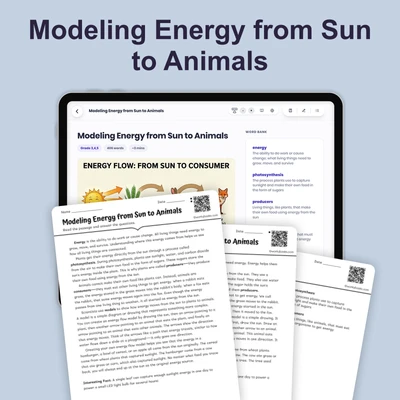
Reading Passage · 5-LS1-1
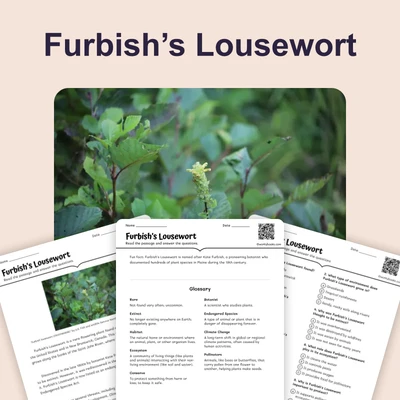
Reading Passage
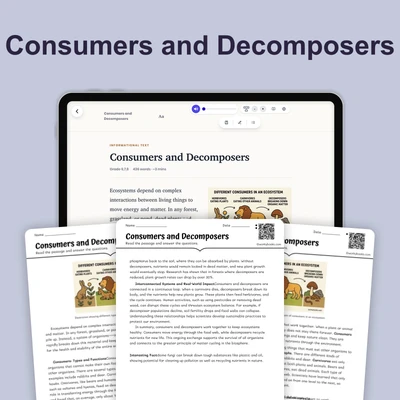
Reading Passage · MS-LS2-3
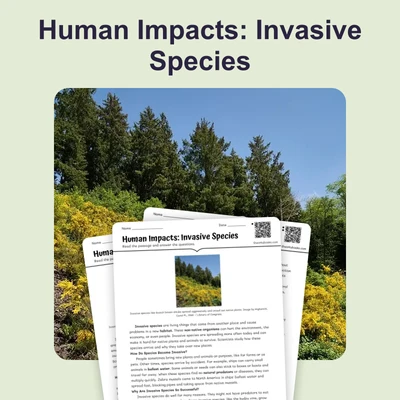
Reading Passage · MS-LS2-4
Reading Passage · MS-LS2-4
Reading Passage · MS-LS2-4
Reading Passage · MS-LS2-4
40% off until Aug 1
Reading Passage · MS-LS2-5
Reading Passage · MS-LS2-5
Reading Passage · MS-LS2-5
Reading Passage · MS-LS2-4
Reading Passage · MS-LS4-1
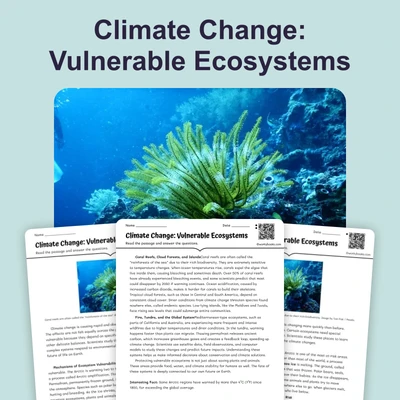
Reading Passage · MS-ESS3-5
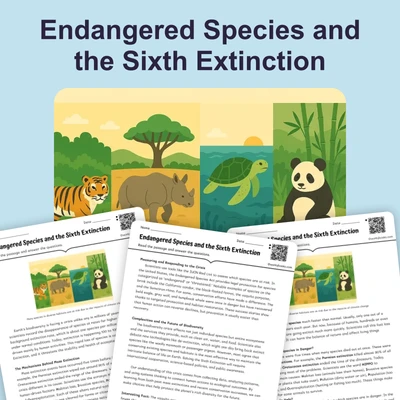
Reading Passage · MS-LS4-1
40% off until Aug 1
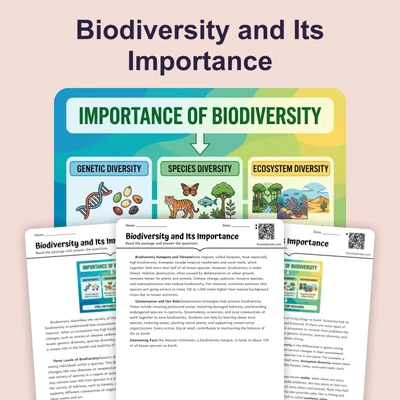
Reading Passage · MS-LS4-4
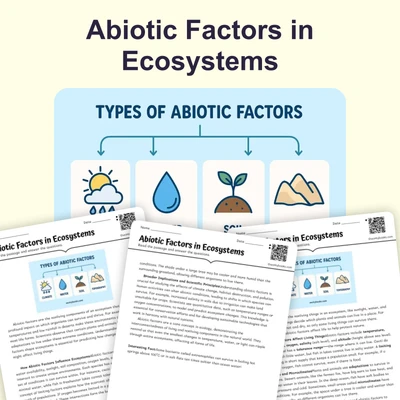
Reading Passage · MS-LS2-1
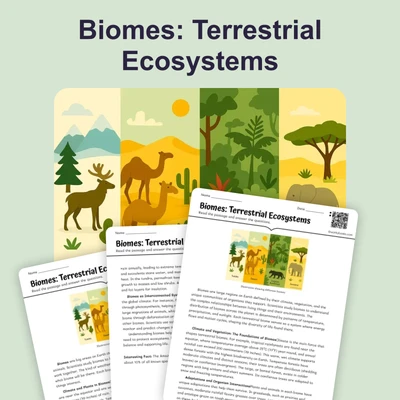
Reading Passage · MS-LS2-1
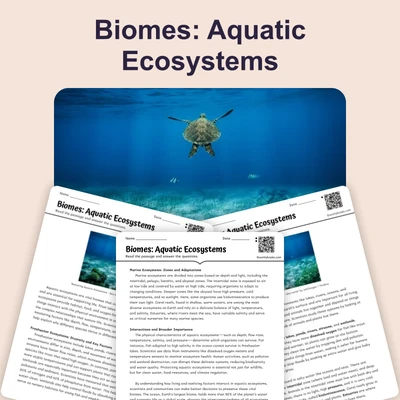
Reading Passage · MS-LS2-1
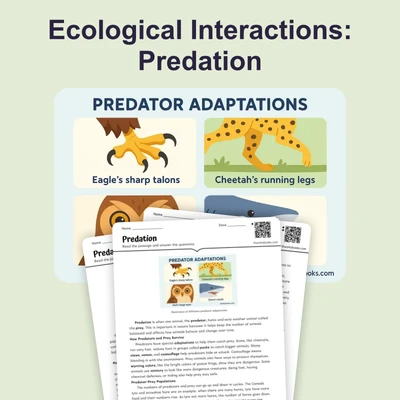
Reading Passage · MS-LS2-2
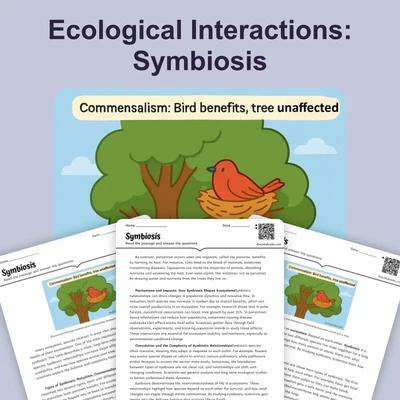
Reading Passage · MS-LS2-2
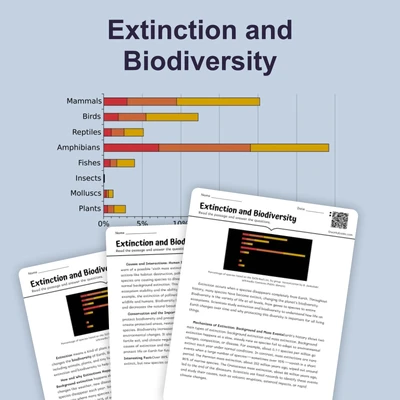
Reading Passage · MS-LS4-1
40% off until Aug 1
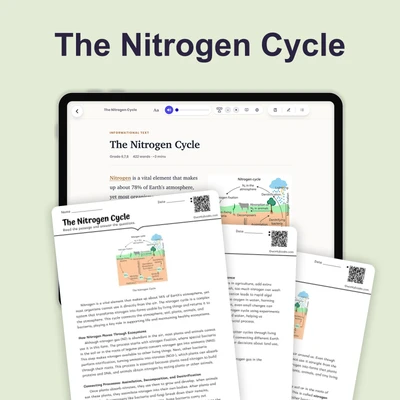
Reading Passage · MS-LS2-3
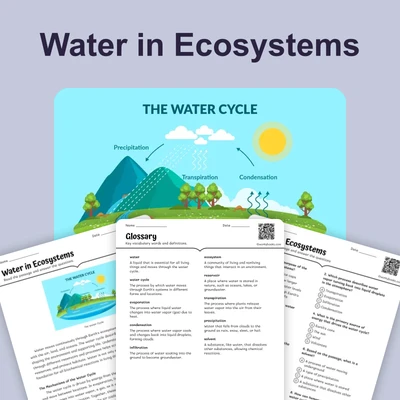
Reading Passage · MS-LS2-3
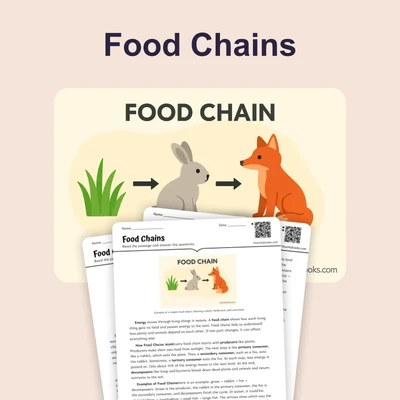
Reading Passage · MS-LS2-3
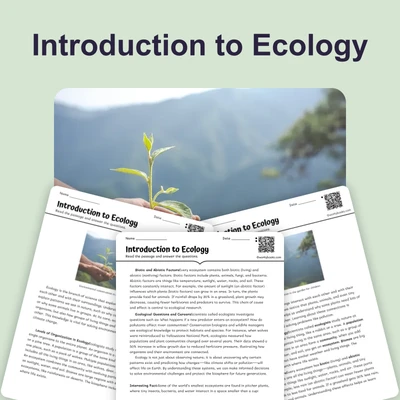
Reading Passage · MS-LS2-1
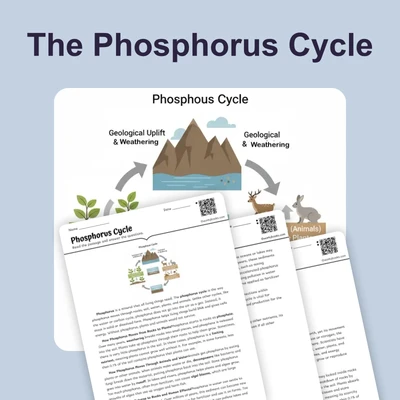
Reading Passage · MS-LS2-3
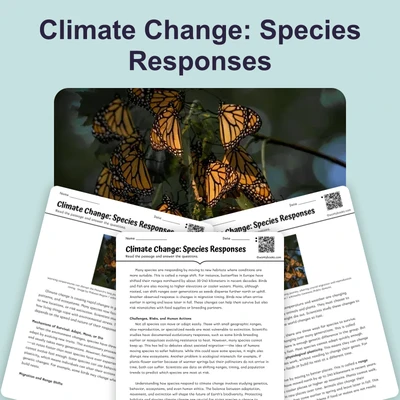
Reading Passage · MS-LS4-4
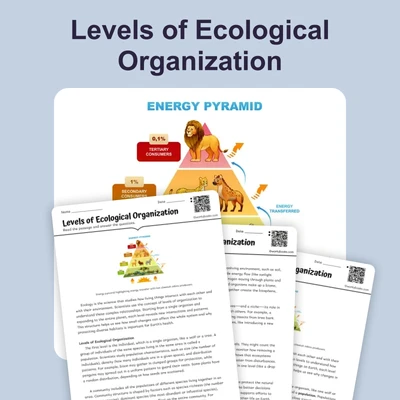
Reading Passage · MS-LS2-1
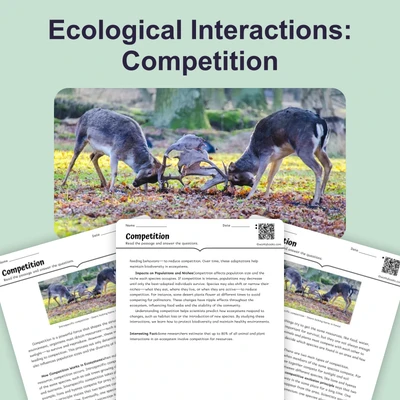
Reading Passage · MS-LS2-2
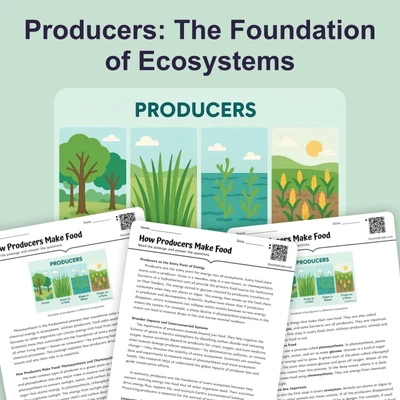
Reading Passage · MS-LS2-3
Three ways to use Workybooks — pick what fits.
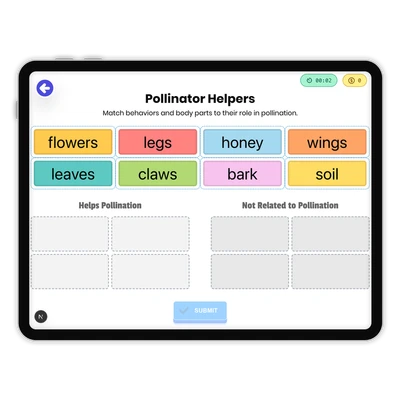
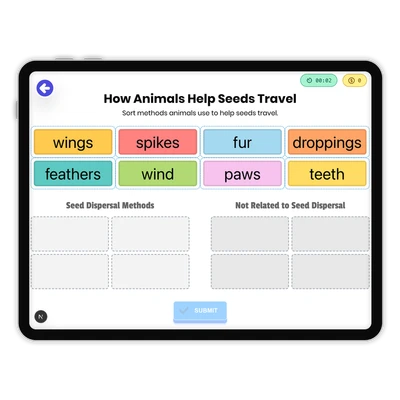
Ecosystems concepts are introduced in early grades with simple sorting activities that build foundational vocabulary. For example, students sort plants and animals into forest and desert habitats, learning how organisms adapt. They explore pollination and seed dispersal, understanding the role of animals in ecosystem health. By upper elementary, students examine interdependence through food chains and webs, and consider human impact on biodiversity.
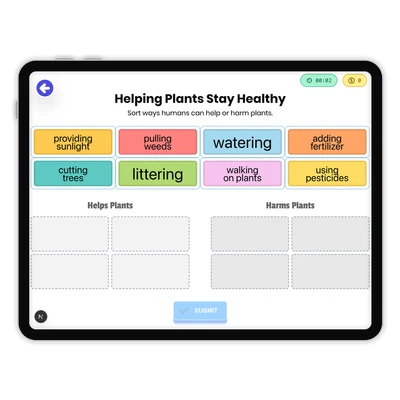
Our resources progress from concrete to abstract, covering all major subtopics: habitats and ecosystems, food chains and webs, interdependence, and biodiversity with human impact. Students practice critical thinking, classification, and cause-effect reasoning. Related concepts like photosynthesis, carbon cycles, and conservation are woven into activities, ensuring a comprehensive understanding of how ecosystems function.
Teachers can use this hub to differentiate across mixed-ability classrooms. Early-grade resources work well for whole-group introduction or literacy centers, while upper-grade materials support independent practice, small groups, or homework. Printable worksheets and digital activities allow flexible use for intervention, review, or assessment. Choose the right level for each group: scaffolded versions help struggling learners, while more complex tasks challenge advanced students. Use these resources for homework, morning work, or as part of a science station rotation.
These resources are designed to align with Common Core State Standards for science and literacy across grades K-5, covering key ecosystem concepts appropriate for each grade level.
Yes, many of our Ecosystems worksheets are printable and can be downloaded as PDFs. Some resources are free, while others require a paid Workybooks membership. You can also use the digital versions for online learning.
Absolutely. Our Ecosystems worksheets for kids are designed for grades K-5, with age-appropriate activities that build understanding from basic habitats to complex food webs. They are engaging and easy to use in class or at home.
Our Ecosystems hub spans kindergarten through 8th grade, with most resources focused on K-5. Each activity is labeled with a suggested grade range, so you can find the right level for your students.
Some resources are free, but full access to the library requires a Workybooks paid membership. Members can download unlimited printable worksheets and use digital activities.