
Worksheet
Grades K–5
Parts of a plant
Worksheet · NGSS K-LS1-1
$1.50

Explore our collection of Plant and Animal Structures curriculum resources for grades K-8. From basic parts of plants and animals to complex systems, these worksheets, activities, reading passages, and games support students as they build understanding across grade levels.
Worksheet · NGSS K-LS1-1

Worksheet · NGSS 4-LS1-1
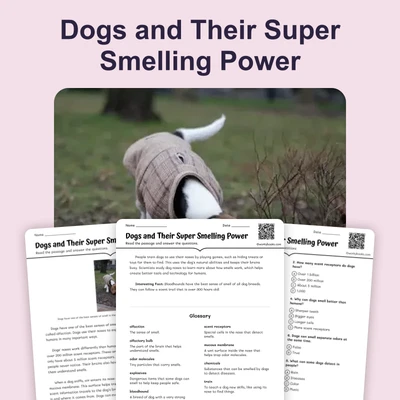
Reading Passage
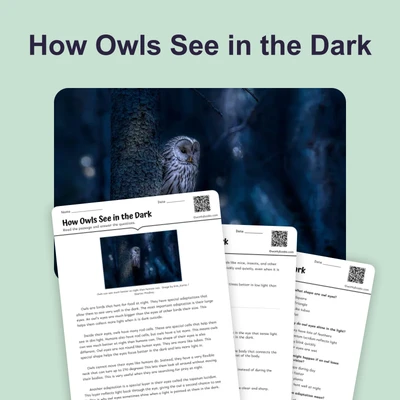
Reading Passage
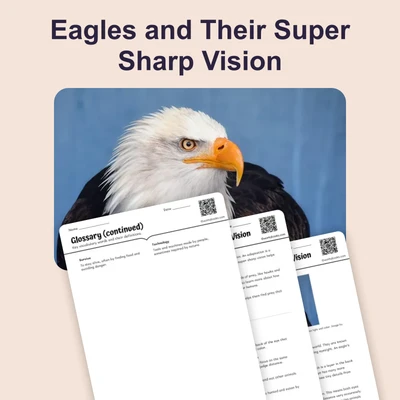
Reading Passage
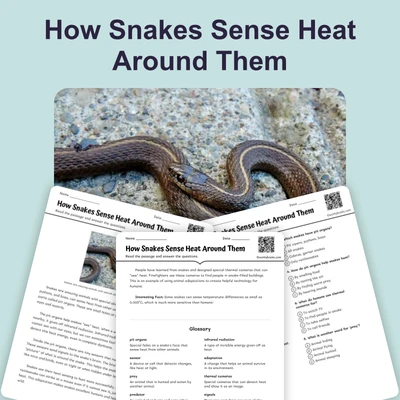
Reading Passage
40% off until Aug 1
Reading Passage
Reading Passage
Reading Passage
Reading Passage
Reading Passage · NGSS 4-LS1-1
Reading Passage · NGSS 4-LS1-1
Reading Passage
40% off until Aug 1
Reading Passage · NGSS 4-LS1-1
Reading Passage · NGSS 4-LS1-1
Reading Passage · NGSS 4-LS1-1
Reading Passage · NGSS 4-LS1-1
Reading Passage · NGSS 4-LS1-1
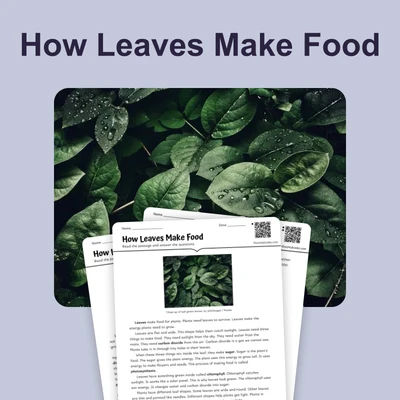
Reading Passage · NGSS 4-LS1-1
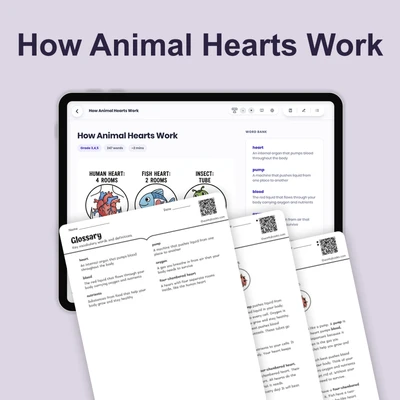
Reading Passage · NGSS 4-LS1-1
40% off until Aug 1
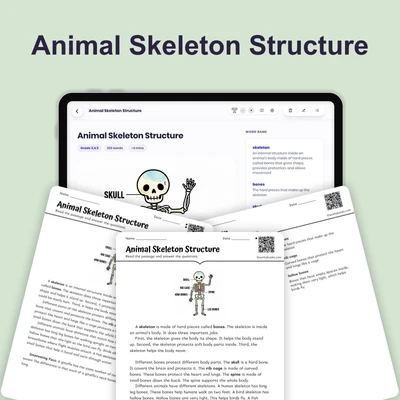
Reading Passage · NGSS 4-LS1-1
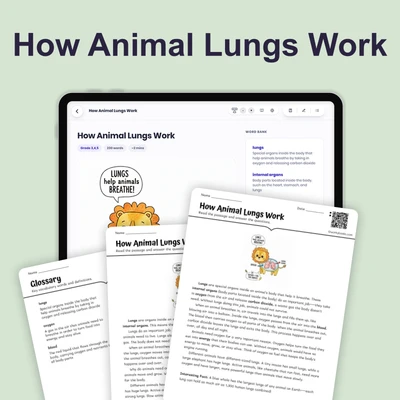
Reading Passage · NGSS 4-LS1-1
Reading Passage · NGSS 4-LS1-1
Reading Passage · NGSS 4-LS1-1
Reading Passage · NGSS 4-LS1-1
Reading Passage · NGSS 4-LS1-1
Reading Passage · NGSS 4-LS1-1
40% off until Aug 1
Reading Passage · NGSS 4-LS1-1
Reading Passage · NGSS 4-LS1-1
Reading Passage · NGSS 4-LS1-1
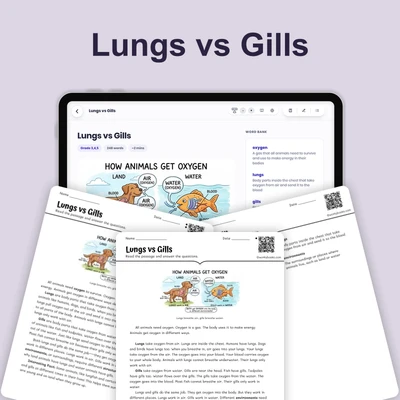
Reading Passage · NGSS 4-LS1-1
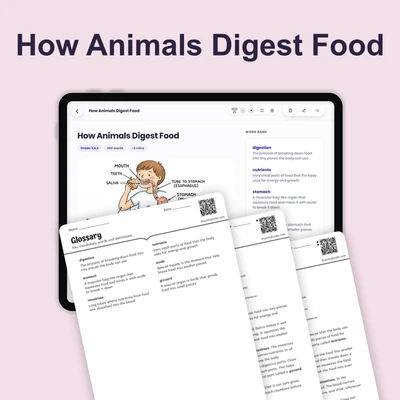
Reading Passage · NGSS 4-LS1-1
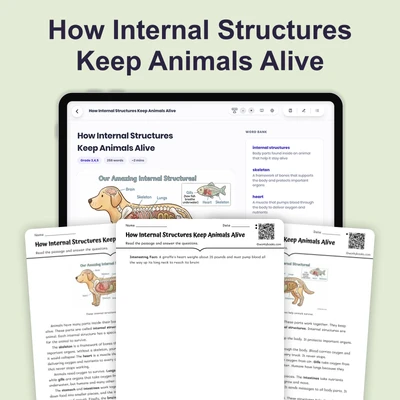
Reading Passage · NGSS 4-LS1-1
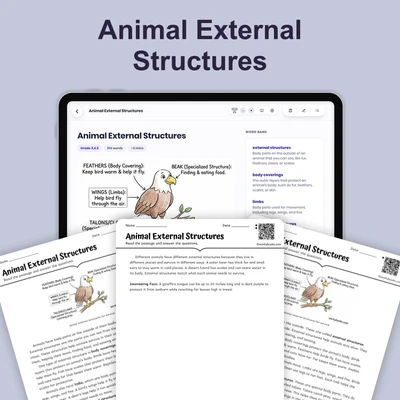
Reading Passage · NGSS 4-LS1-1
40% off until Aug 1
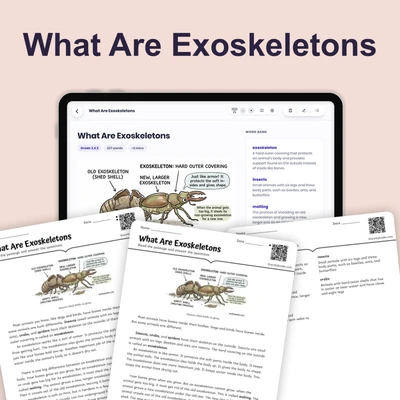
Reading Passage · NGSS 4-LS1-1
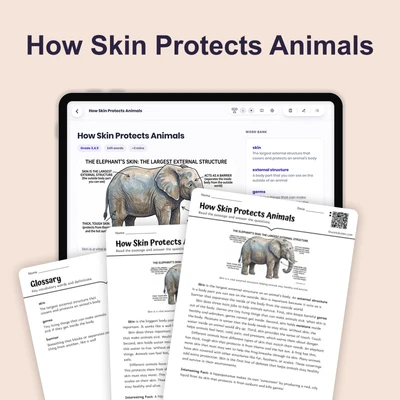
Reading Passage · NGSS 4-LS1-1
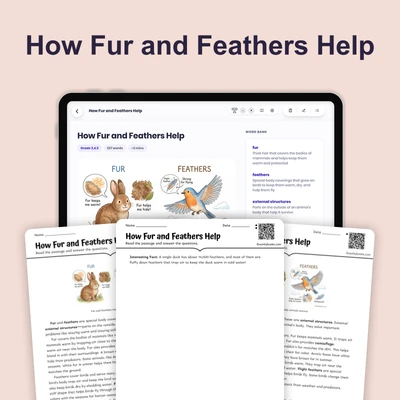
Reading Passage · NGSS 4-LS1-1
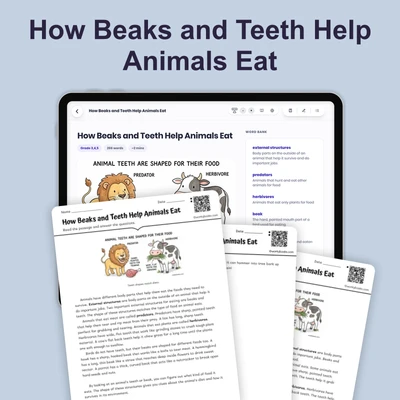
Reading Passage · NGSS 4-LS1-1
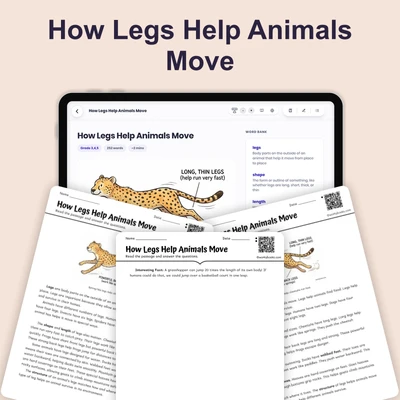
Reading Passage · NGSS 4-LS1-1
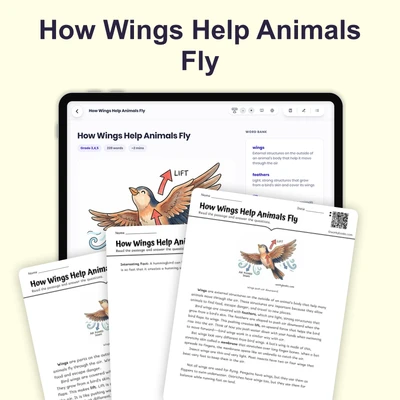
Reading Passage · NGSS 4-LS1-1
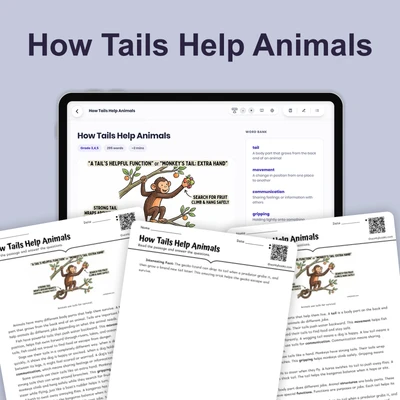
Reading Passage · NGSS 4-LS1-1
40% off until Aug 1
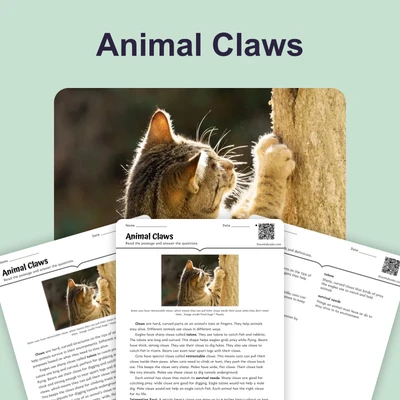
Reading Passage · NGSS 4-LS1-1
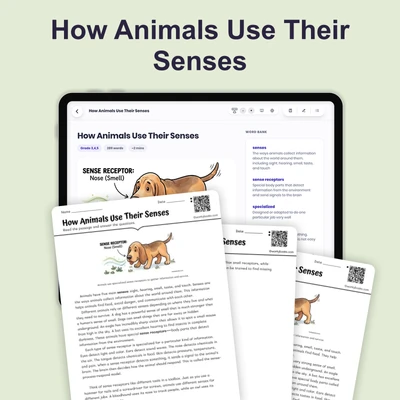
Reading Passage · NGSS 4-LS1-2
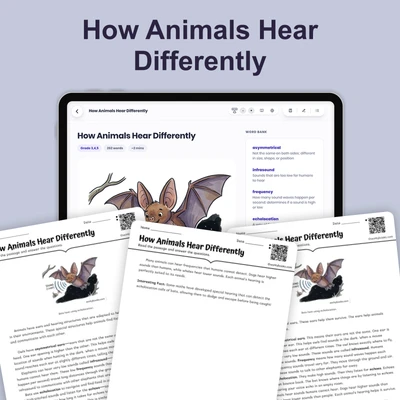
Reading Passage · NGSS 4-LS1-1
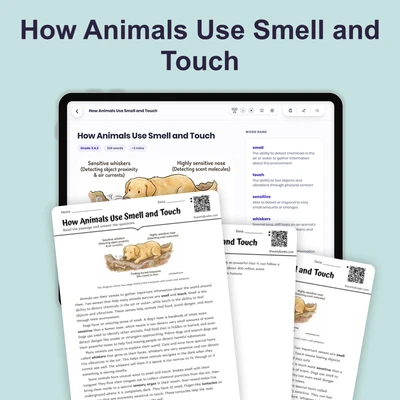
Reading Passage · NGSS 4-LS1-2
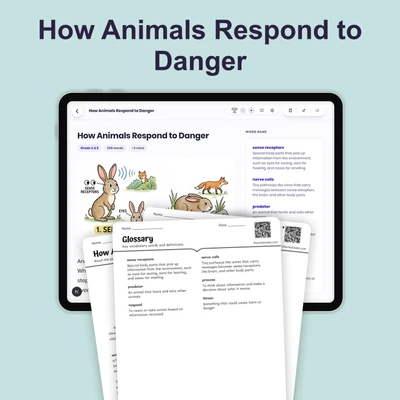
Reading Passage · NGSS 4-LS1-2
Reading Passage · NGSS 4-LS1-2
Reading Passage
Reading Passage
Three ways to use Workybooks — pick what fits.
In the earliest grades, students learn to identify the basic parts of plants (roots, stems, leaves) and animals (head, legs, wings). As they progress through upper elementary, they explore how these structures function in survival, growth, and reproduction. By grades 5-8, students compare internal and external structures across organisms and examine how structure relates to function in systems like the circulatory or respiratory systems.
These resources cover related concepts such as adaptations, life cycles, habitats, and the interdependence of structures and functions. Students develop skills in observation, classification, comparison, and evidence-based reasoning. The materials include diagrams, labeling exercises, reading comprehension passages, hands-on activities, and games that reinforce key vocabulary and concepts.
Teachers can use this hub to differentiate instruction across a mixed-ability classroom. Select simpler resources for intervention or introduction, and more complex materials for enrichment or advanced learners. Use printable worksheets for independent practice, homework, or assessment. Digital activities work well in literacy centers or small groups. Reading passages support whole-group science lessons or integrate into ELA blocks. The no-prep, standards-aligned resources are also ideal for review, test prep, or as quick sub plans. Mix and match across grade levels to meet each student's needs.
These resources align with grade-level Common Core standards for reading informational text and writing, as well as Next Generation Science Standards (NGSS) related to structure and function across the K-8 grade band.
Yes, many of the Plant and Animal Structures worksheets printable resources are available in PDF format for easy printing. Some are free; a paid membership provides access to the full library of printable and digital materials.
Yes, these Plant and Animal Structures worksheets for kids span grades K-8. You can filter by grade to find age-appropriate content, from basic plant parts for kindergarten to comparative anatomy for middle school.
Some resources are free, but most require a Workybooks membership. A membership gives you unlimited access to all printable and digital worksheets, activities, games, and reading passages across all grade levels and subjects.
Absolutely. The resources are teacher-authored and classroom-ready, making them suitable for homeschool environments. They work well for independent practice, small-group instruction, and hands-on learning at home.