
Passage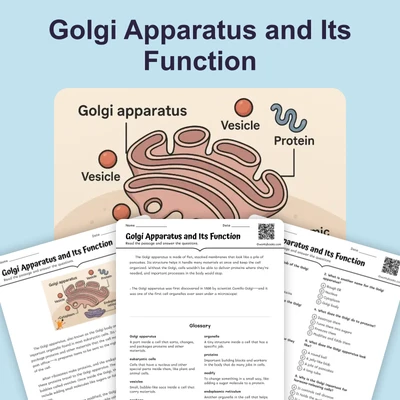
Grades 3–7
Golgi Apparatus and Its Function
Reading Passage · MS-LS1-1
$1.50

Explore our collection of Cells curriculum resources for grades K-8, including worksheets, games, readers, and activities. This hub covers cell structure and organization, photosynthesis, and microorganisms, with materials that build from basic concepts in early grades to more complex understanding in upper grades.
Reading Passage · MS-LS1-1
Reading Passage
Reading Passage
Reading Passage
Reading Passage
Reading Passage
40% off until Aug 1
Reading Passage · 5-LS1-1
Reading Passage · MS-LS1-1
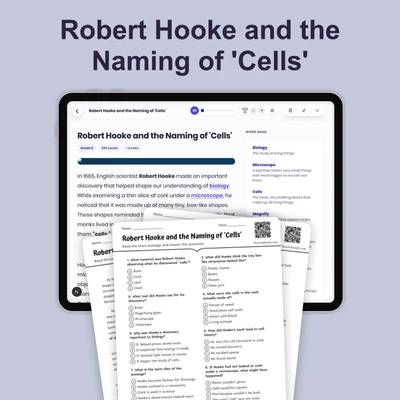
Reading Passage · MS-LS1-1
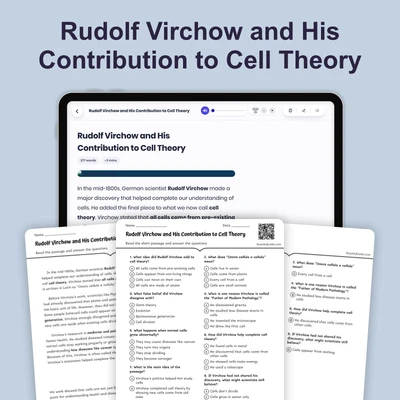
Reading Passage · MS-LS1-1
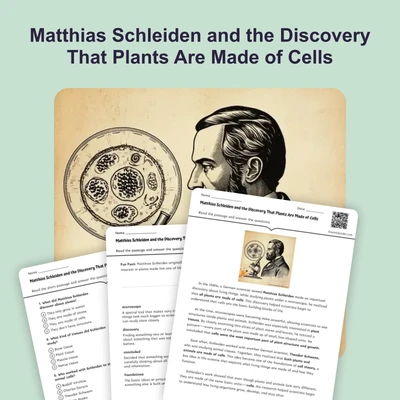
Reading Passage · MS-LS1-1
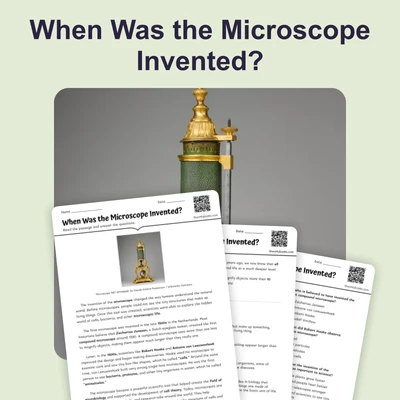
Reading Passage · MS-LS1-1
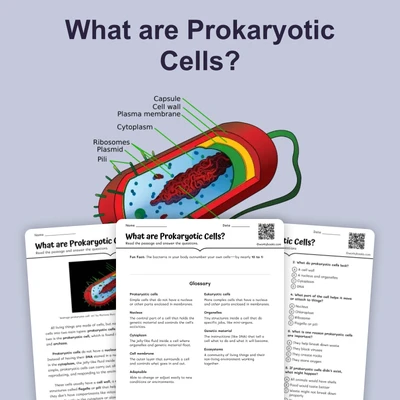
Reading Passage · MS-LS1-1
40% off until Aug 1
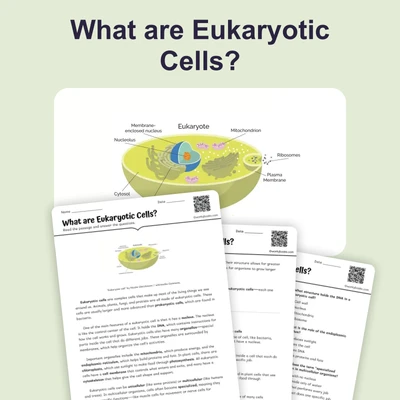
Reading Passage · MS-LS1-1
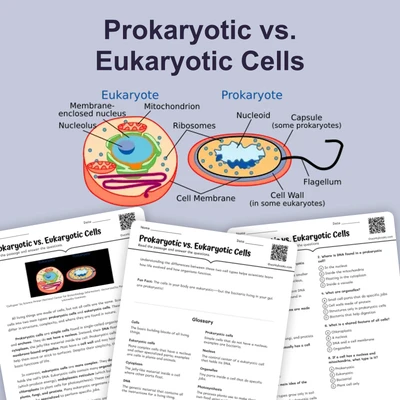
Reading Passage · MS-LS1-1
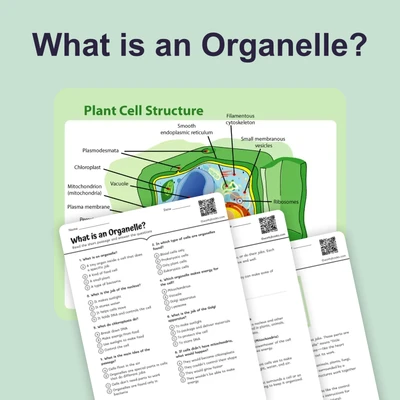
Reading Passage · MS-LS1-1
Reading Passage · MS-LS1-1
Reading Passage
Reading Passage
Reading Passage · MS-LS1-1
40% off until Aug 1
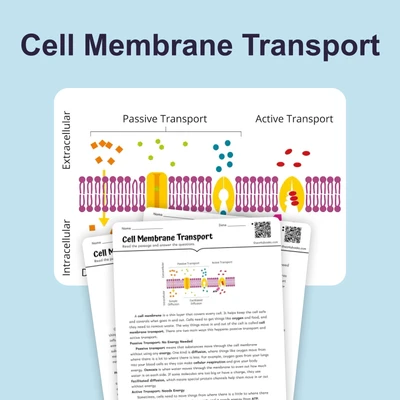
Reading Passage · MS-LS1-2
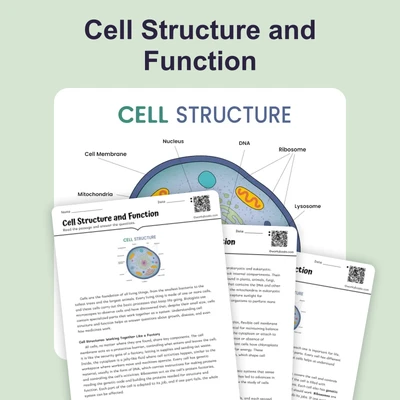
Reading Passage · MS-LS1-1
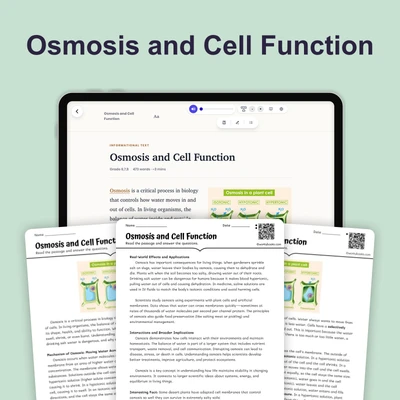
Reading Passage · MS-LS1-2
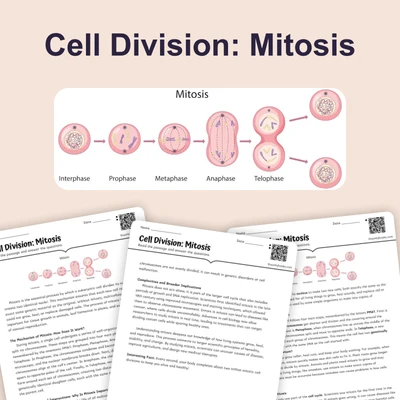
Reading Passage · MS-LS1-4
Reading Passage · MS-LS1-1
Reading Passage · MS-LS1-1
Reading Passage · MS-LS1-1
40% off until Aug 1
Reading Passage · MS-LS1-6
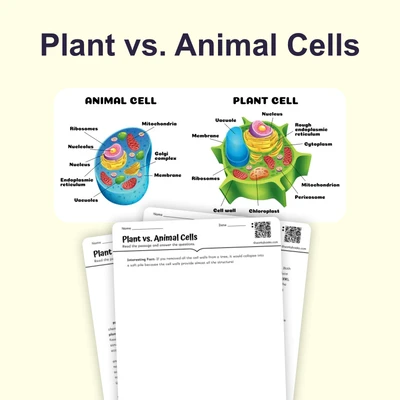
Reading Passage · MS-LS1-2
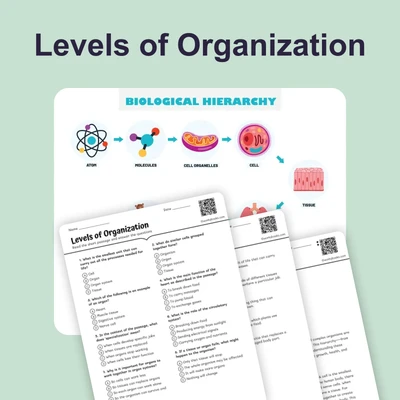
Reading Passage · MS-LS1-3
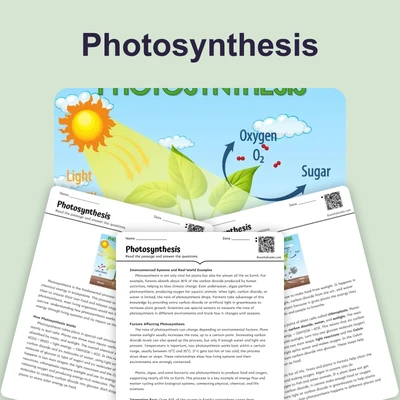
Reading Passage · MS-LS1-6
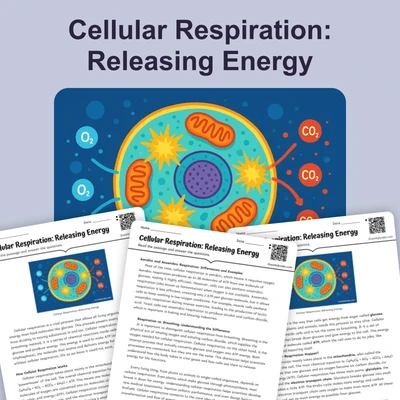
Reading Passage · MS-LS1-7
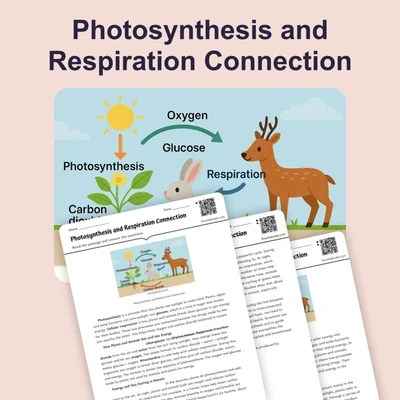
Reading Passage · MS-LS1-6
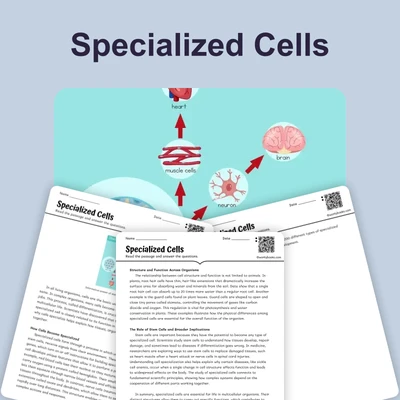
Reading Passage · MS-LS1-1
40% off until Aug 1
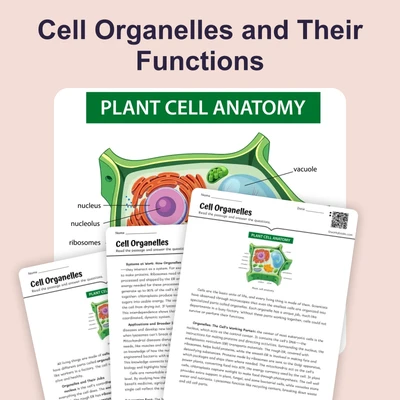
Reading Passage · MS-LS1-2
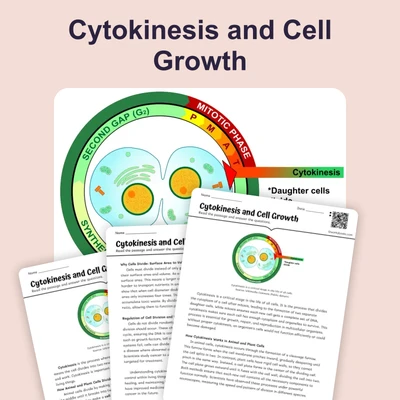
Reading Passage · MS-LS1-4
Reading Passage · MS-LS1-2
Reading Passage · MS-LS1-7
Reading Passage · MS-LS1-4
Reading Passage · MS-LS1-6
Reading Passage
40% off until Aug 1
Reading Passage
Reading Passage
Reading Passage
Reading Passage
Reading Passage
Reading Passage
Reading Passage
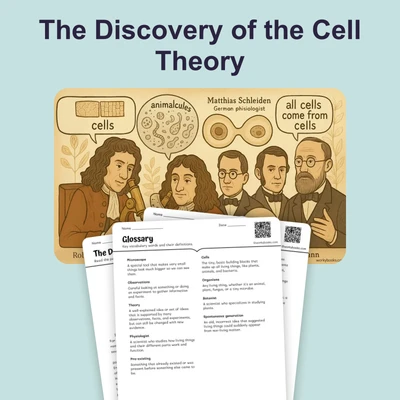
Reading Passage
Three ways to use Workybooks — pick what fits.
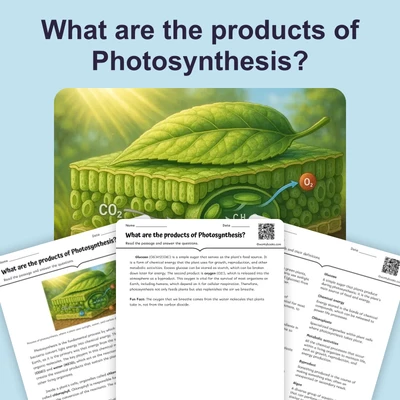
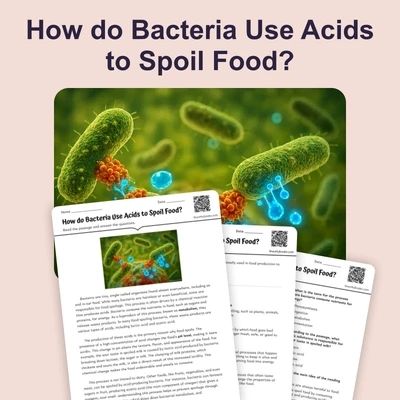
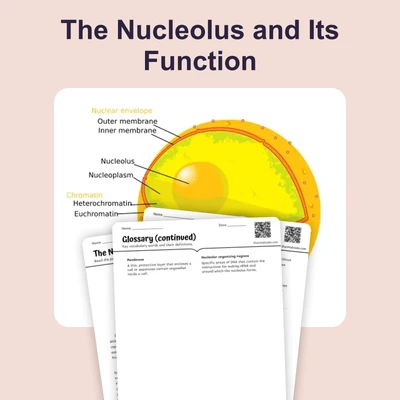
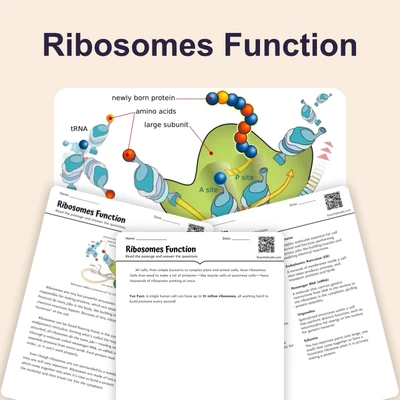
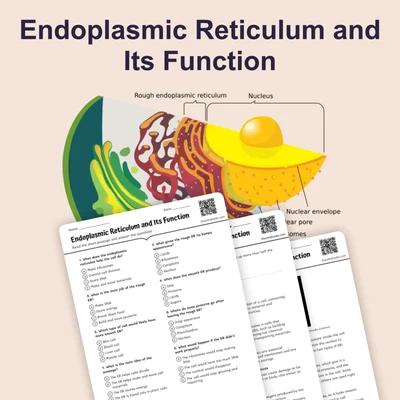
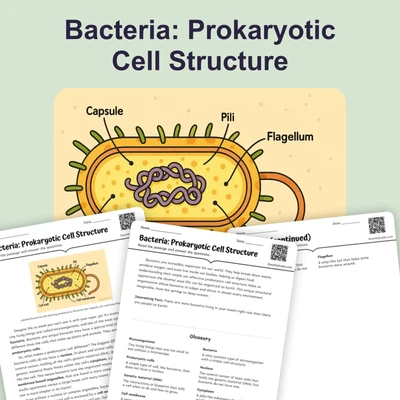
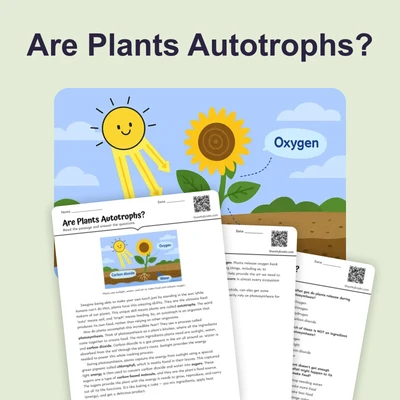
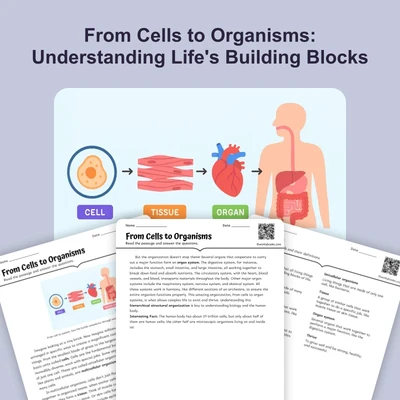
In kindergarten through second grade, students are introduced to cells as the basic building blocks of living things. They learn that plants and animals are made of cells and explore simple concepts like how cells need food and water. As students move into third through fifth grade, they dive deeper into cell structure, identifying organelles such as the nucleus and mitochondria, and understanding how cells work together to form tissues and organs. The progression continues with photosynthesis, where students discover how plants convert sunlight into energy, and microorganisms, learning about bacteria and protists and their roles in ecosystems.
Related concepts include the differences between plant and animal cells, the function of cell membranes, and how cells reproduce. Our resources are designed to scaffold learning, with graphic organizers, reading passages, and interactive games that reinforce these ideas. Whether you need no-prep worksheets for independent practice or hands-on activities for small groups, you will find differentiated materials that support every learner.
Teachers can use this hub to find the right level for their whole class or to differentiate across a mixed-ability room. For whole-group instruction, select a grade-appropriate reading passage or game to introduce a topic. In small groups, use printable worksheets or graphic organizers to target specific skills. Literacy centers can feature cells-themed readers, while independent practice or homework can include digital activities. For intervention, choose scaffolded resources that break down cell concepts into manageable steps. Assessment options include quizzes and review sheets. By mixing printable and digital resources, you can adapt to any classroom setup.
These resources align with grade-level Common Core standards for reading informational text and writing, as well as Next Generation Science Standards for life science across grades K-8.
Yes, many of our Cells worksheets are printable. You can download and print them for classroom use. Some resources are free, while others require a paid membership.
Absolutely. Our Cells worksheets for kids are designed for grades K-8, with age-appropriate content and activities. Younger students explore basic cell concepts, while older students tackle more detailed topics like organelles and photosynthesis.
Our Cells resources span kindergarten through eighth grade. Each resource is labeled with a suggested grade range, so you can easily find materials that match your students' level.
Some resources are free, but most require a paid Workybooks membership. Membership gives you unlimited access to all printable and digital resources across all grade levels and subjects.