
Passage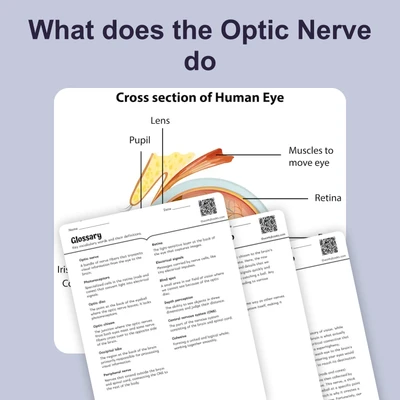
Grades 3–8
What does the Optic Nerve Do
Reading Passage
$1.50

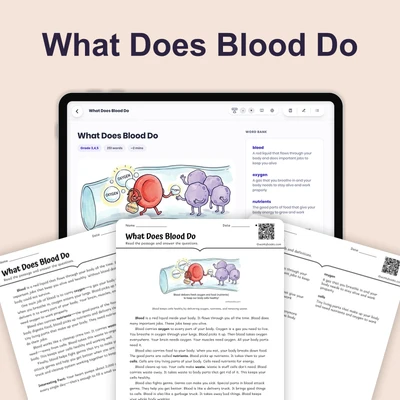
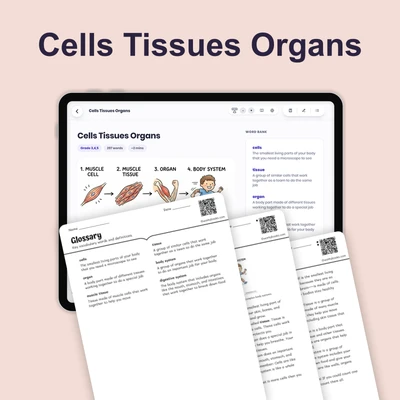
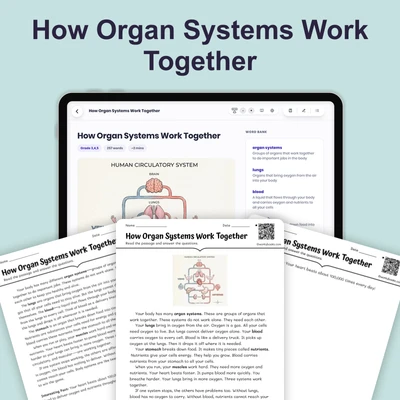
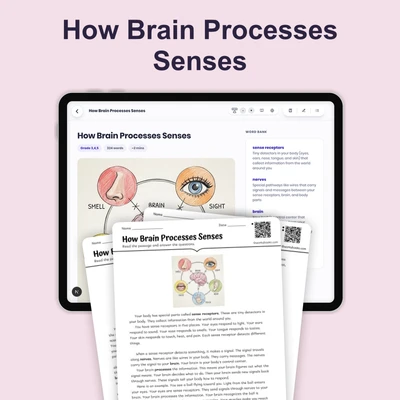
Explore our collection of Body Systems curriculum resources for grades K-8. From the basics of the five senses to the intricacies of the circulatory and nervous systems, these worksheets, games, readers, and activities support science learning across elementary and middle school.
Reading Passage
Reading Passage
Reading Passage
Reading Passage
Reading Passage

Reading Passage
40% off until Aug 1
Reading Passage
Reading Passage
Reading Passage
Reading Passage · NGSS 4-LS1-1
Reading Passage · NGSS 4-LS1-1
Reading Passage · NGSS 4-LS1-1
Reading Passage · NGSS 4-LS1-1
40% off until Aug 1
Reading Passage · NGSS 4-LS1-1
Reading Passage · NGSS 4-LS1-1

Reading Passage · NGSS 4-LS1-1
Reading Passage · NGSS 4-LS1-1
Reading Passage · NGSS 4-LS1-2
Reading Passage · NGSS 4-LS1-2
Reading Passage · NGSS 4-LS1-2
40% off until Aug 1
Reading Passage · NGSS 4-LS1-1
Reading Passage · NGSS 4-LS1-1
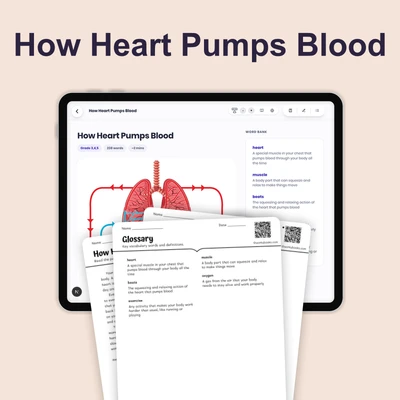
Reading Passage · NGSS 4-LS1-1
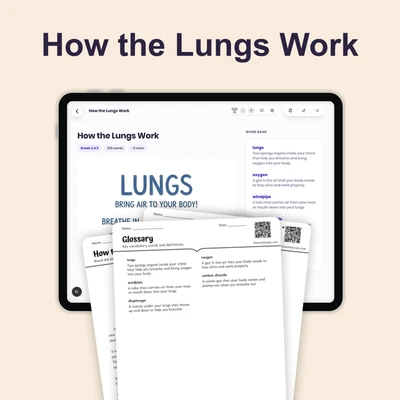
Reading Passage · NGSS 4-LS1-1
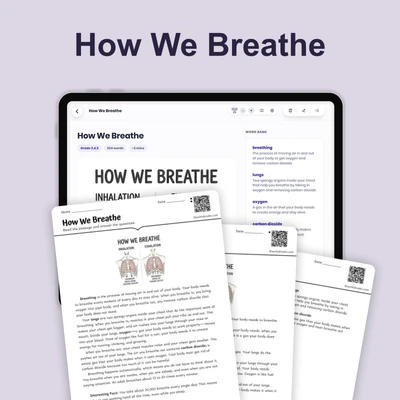
Reading Passage · NGSS 4-LS1-1
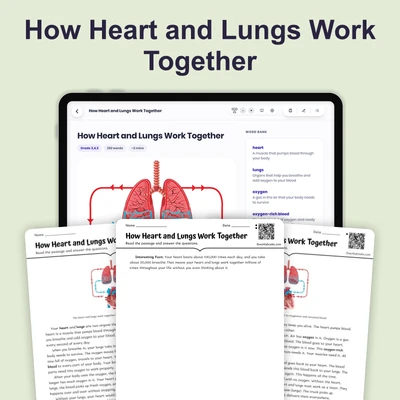
Reading Passage · NGSS 4-LS1-1
Reading Passage · NGSS 4-LS1-1
40% off until Aug 1
Reading Passage · NGSS 4-LS1-1
Reading Passage · NGSS 4-LS1-1
Reading Passage · NGSS 4-LS1-2
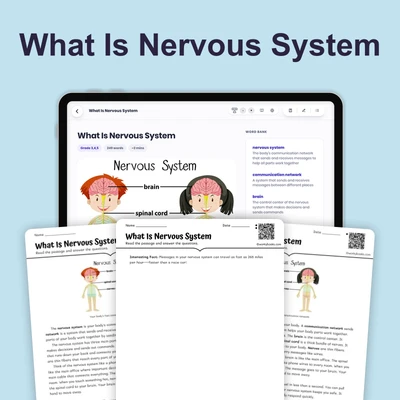
Reading Passage · NGSS 4-LS1-2
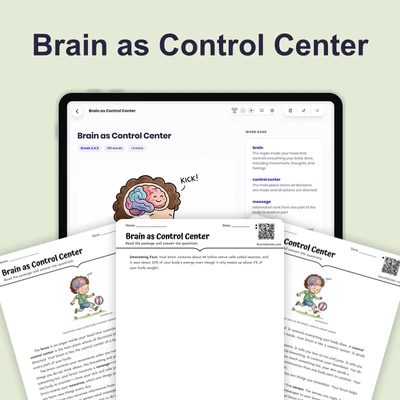
Reading Passage · NGSS 4-LS1-2
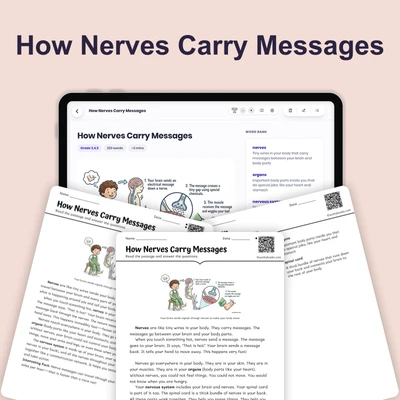
Reading Passage · NGSS 4-LS1-2
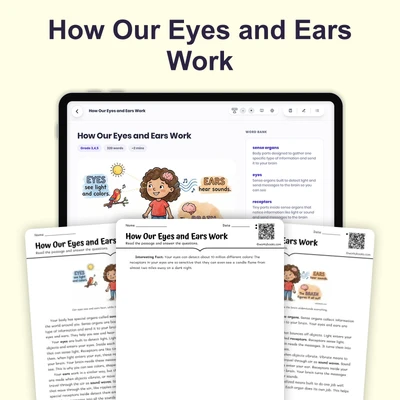
Reading Passage · NGSS 4-LS1-2
40% off until Aug 1
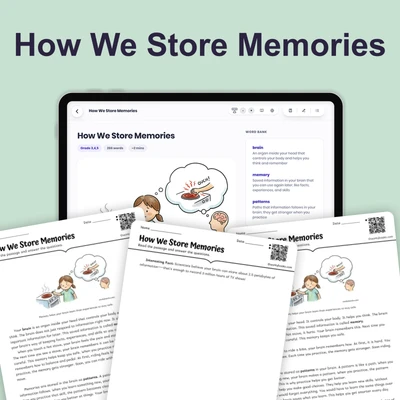
Reading Passage · NGSS 4-LS1-2
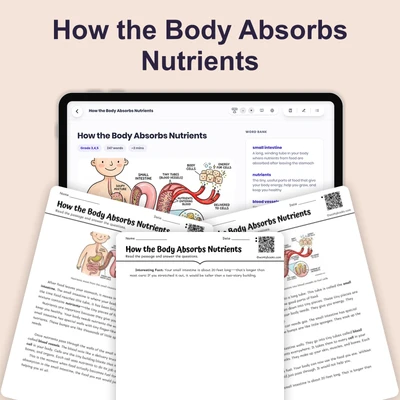
Reading Passage · NGSS 4-LS1-1
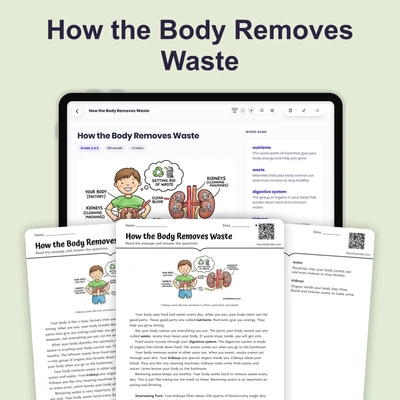
Reading Passage · NGSS 4-LS1-1
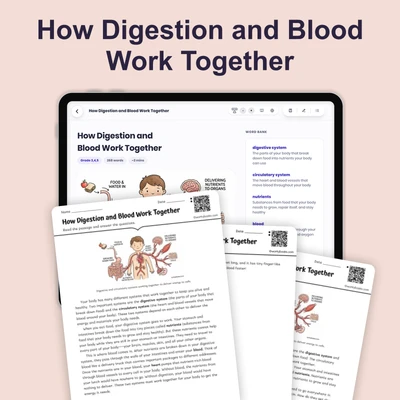
Reading Passage · NGSS 4-LS1-1
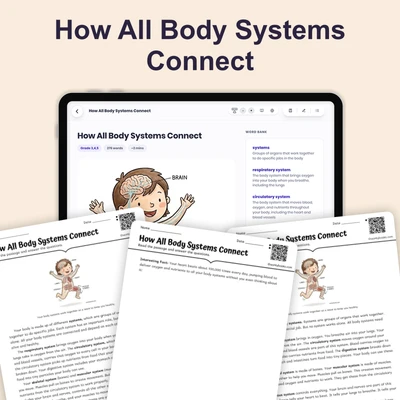
Reading Passage · NGSS 4-LS1-1

Reading Passage · 5-LS1-1

Reading Passage · 5-LS1-1
40% off until Aug 1

Reading Passage · 5-LS1-1

Reading Passage · 5-LS1-1

Reading Passage · 5-LS1-1
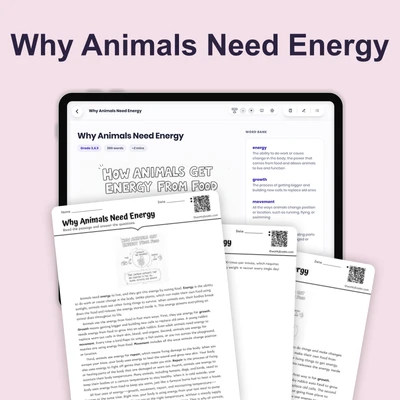
Reading Passage · 5-LS1-1
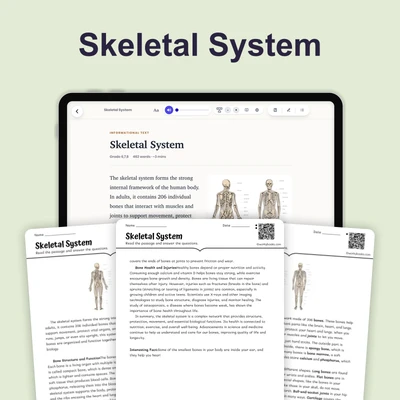
Reading Passage · MS-LS1-3
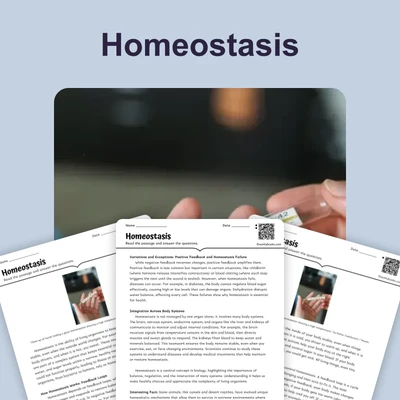
Reading Passage · MS-LS1-3
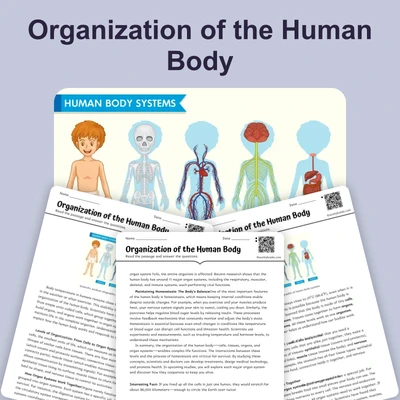
Reading Passage · MS-LS1-3
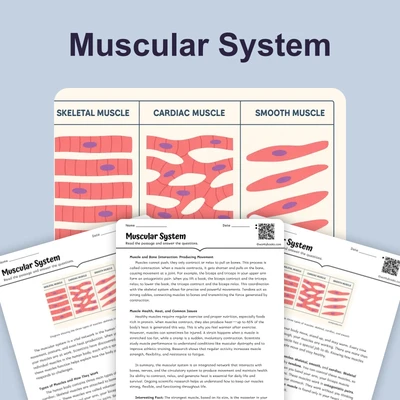
Reading Passage · MS-LS1-3

Reading Passage · MS-LS1-3
Three ways to use Workybooks — pick what fits.
In the earliest grades, students begin by identifying major body parts and the five senses, using simple diagrams and matching activities. As they progress through grades 2-3, they learn about the skeletal, muscular, and digestive systems through reading passages and interactive games. By grades 4-5, students delve deeper into the circulatory, respiratory, and nervous systems, using graphic organizers and hands-on experiments to understand how systems work together. In middle school (grades 6-8), resources cover homeostasis, feedback loops, and comparative anatomy, with scaffolded worksheets and literacy centers that build critical thinking.
Related concepts include organs, tissues, cells, the immune system, and the integumentary system. Skills developed include reading comprehension, vocabulary acquisition, data interpretation, and scientific reasoning. Resources are designed to be differentiated, with versions for on-level, below-level, and above-level learners, making them suitable for diverse classrooms.
Teachers can use this hub to select resources that match their students' grade level and skill needs. For whole-group instruction, project a digital activity or reading passage on the board. In small groups or centers, assign differentiated worksheets or games that target specific systems. Printable resources work well for independent practice, homework, or intervention, while digital options support one-to-one devices and remote learning. Use the graphic organizers for review or assessment, and the readers for literacy centers. The variety allows teachers to scaffold learning from basic identification to complex system interactions, addressing a mixed-ability room with ease.
These resources align with grade-level Common Core State Standards for reading informational text and writing, as well as Next Generation Science Standards (NGSS) for life science across grades K-8. Specific standards vary by grade and resource.
Yes, many of our Body Systems worksheets are printable. You can download and print them for classroom use. Some resources are also available in digital format for use on devices. Note that most resources require a paid membership, though some are free.
Absolutely. Our Body Systems worksheets for kids are designed for grades K-8, with age-appropriate content and activities. Younger students work on basic identification and senses, while older students explore complex systems and interactions.
Each resource includes a grade range or difficulty label. You can filter by grade on the page. For mixed-ability classrooms, look for differentiated versions that offer scaffolded support or extension challenges.
Yes. Many worksheets and graphic organizers can be used as formative or summative assessments. The reading passages include comprehension questions, and the games can serve as informal checks for understanding.