
Passage
Grades 3–5
Reducing Air Pollution
Reading Passage · NGSS 4-ESS3-1
$1.50

Explore our collection of Human Impact on Earth curriculum resources, designed for grades K-8. From introductory concepts in kindergarten to deeper environmental analysis in upper elementary, these worksheets, activities, reading passages, and games help students understand how humans affect the planet.
Reading Passage · NGSS 4-ESS3-1
Reading Passage · NGSS 4-ESS3-1
Reading Passage · NGSS 4-ESS3-1
Reading Passage · NGSS 4-ESS3-1
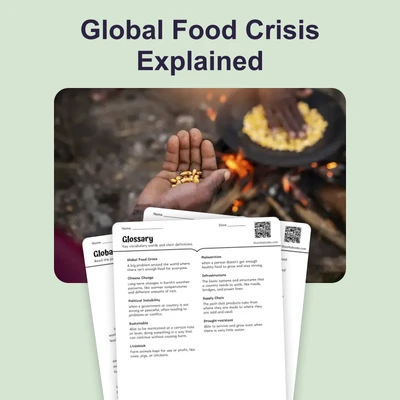
Reading Passage
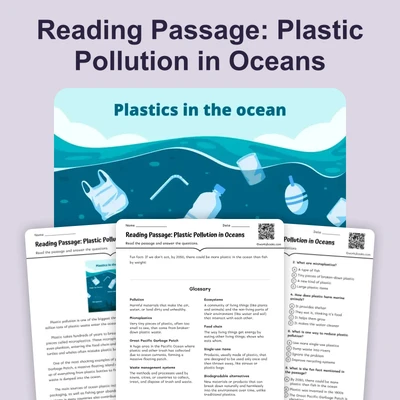
Reading Passage
40% off until Aug 1
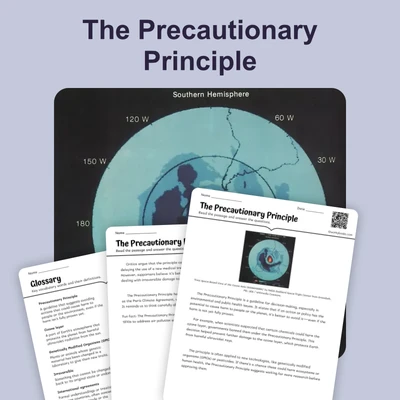
Reading Passage
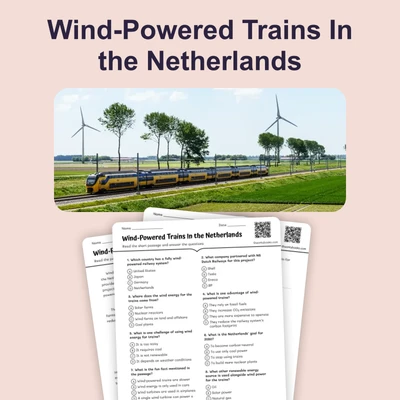
Reading Passage · 7.RI.7.1
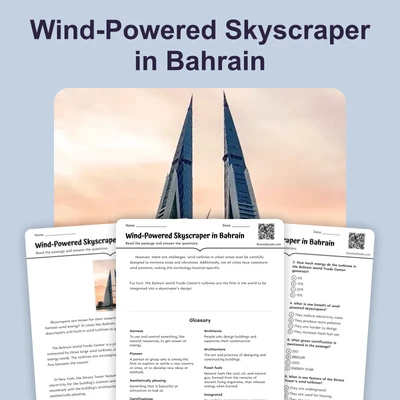
Reading Passage · 7.RI.7.3
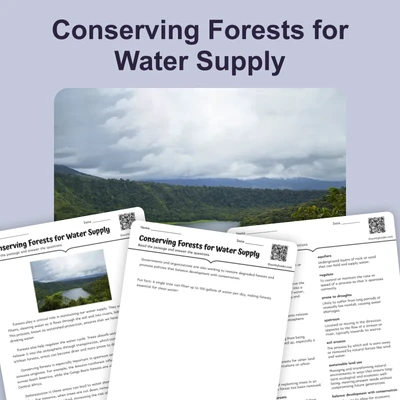
Reading Passage · 7.RI.7.3
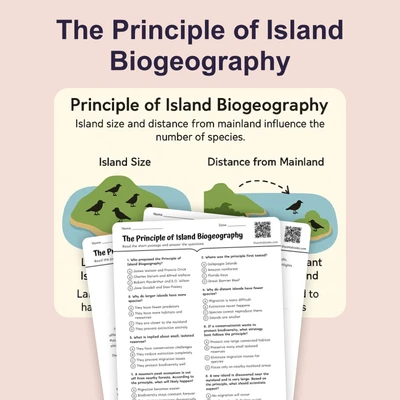
Reading Passage · 7.RI.7.3
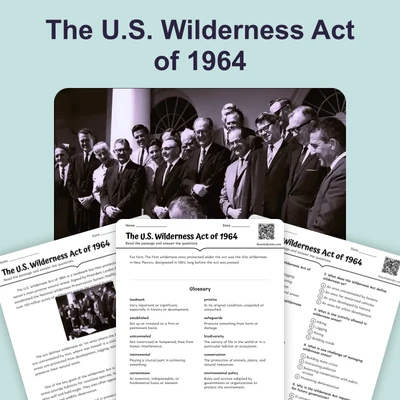
Reading Passage · 7.RI.7.2
Reading Passage · 7.RI.7.3
40% off until Aug 1
Reading Passage
Reading Passage · MS-ESS3-4
Reading Passage · MS-ESS3-3
Reading Passage · MS-ESS3-3
Reading Passage · MS-ESS3-3
Reading Passage · MS-ESS3-4
Reading Passage · MS-ESS3-3
40% off until Aug 1
Reading Passage · MS-ESS3-3
Reading Passage · MS-ESS3-3
Reading Passage · MS-ESS3-3
Reading Passage · MS-ESS3-3
Reading Passage · MS-ESS3-3
Reading Passage · MS-ESS3-3
Reading Passage · MS-ESS3-3
40% off until Aug 1
Reading Passage · MS-ESS3-3
Reading Passage · MS-ESS3-3
Reading Passage · MS-ESS3-3
Reading Passage · MS-ESS3-3
Reading Passage · MS-ESS3-3
Reading Passage · MS-ESS3-3
Reading Passage · MS-ESS3-4
40% off until Aug 1
Reading Passage · MS-ESS2-1
Reading Passage · MS-ESS3-3
Reading Passage · MS-ESS2-4
Reading Passage · MS-ESS3-4
Reading Passage · MS-ESS3-4
Reading Passage · MS-ESS3-4
Reading Passage · MS-ESS3-4
40% off until Aug 1
Reading Passage · MS-ESS3-3
Reading Passage · MS-ESS3-3
Reading Passage · MS-ESS3-3
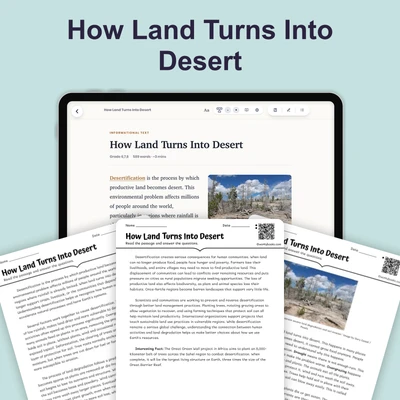
Reading Passage · MS-ESS3-3
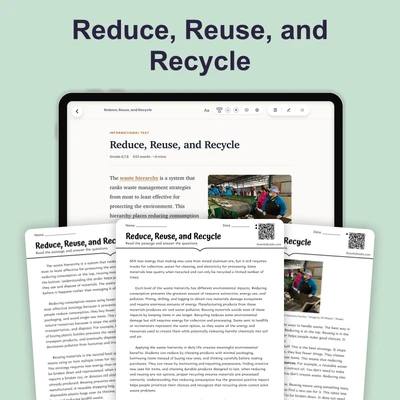
Reading Passage · MS-ESS3-3
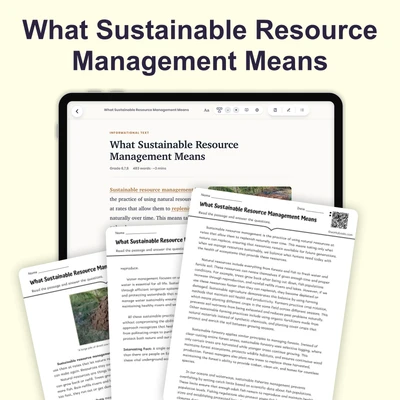
Reading Passage · MS-ESS3-3
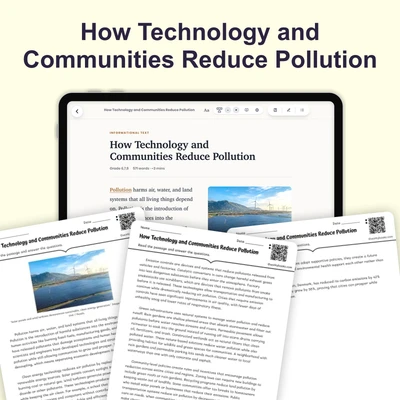
Reading Passage · MS-ESS3-3
Reading Passage · MS-ESS3-3
Reading Passage · MS-ESS3-3
Three ways to use Workybooks — pick what fits.
In the earliest grades, students learn basic concepts like reducing, reusing, and recycling, and how littering harms animals. As they progress, they explore pollution types (air, water, land), habitat destruction, and the importance of conservation. By upper elementary, students analyze cause-and-effect relationships, such as how deforestation leads to loss of biodiversity, and evaluate solutions like renewable energy and sustainable practices.
Related concepts include natural resources, renewable and nonrenewable resources, carbon footprint, climate change, and conservation. Resources build skills in critical thinking, data interpretation, and persuasive writing as students propose solutions to environmental problems. The progression ensures that foundational knowledge supports more complex reasoning across grade levels.
Teachers can use this hub to differentiate across a mixed-ability room by selecting resources at varying grade levels. Use the same topic for whole-group instruction, then assign leveled worksheets or digital games for small groups and centers. Printable reading passages work well for literacy centers or homework, while interactive activities suit independent practice or intervention. Use graphic organizers for review and pre-made assessments to gauge understanding. The no-prep, standards-aligned resources save planning time and fit seamlessly into any instructional setting.
These resources align with Common Core State Standards for reading informational text and writing, as well as Next Generation Science Standards for Earth and human activity across grades K-8.
Yes, many of our Human Impact on Earth worksheets are printable and ready to use. Some resources are free, while others require a membership. You can easily print them for classroom or home use.
Absolutely. Our Human Impact on Earth worksheets for kids are designed for grades K-8, with age-appropriate language and activities. Younger students focus on basic concepts like recycling, while older students tackle more complex issues like pollution and conservation.
Yes, the hub includes resources spanning K-8, making it easy to differentiate. You can assign simpler worksheets to struggling students and more challenging reading passages or activities to advanced learners, all on the same topic.
Yes, many resources are available in digital format for use on tablets, computers, or interactive whiteboards. This allows for flexible instruction in both in-person and remote settings.